Home / Candy & Chocolate / Charms Fluffy Stuff Rainbow Sherbet Cotton Candy 60g
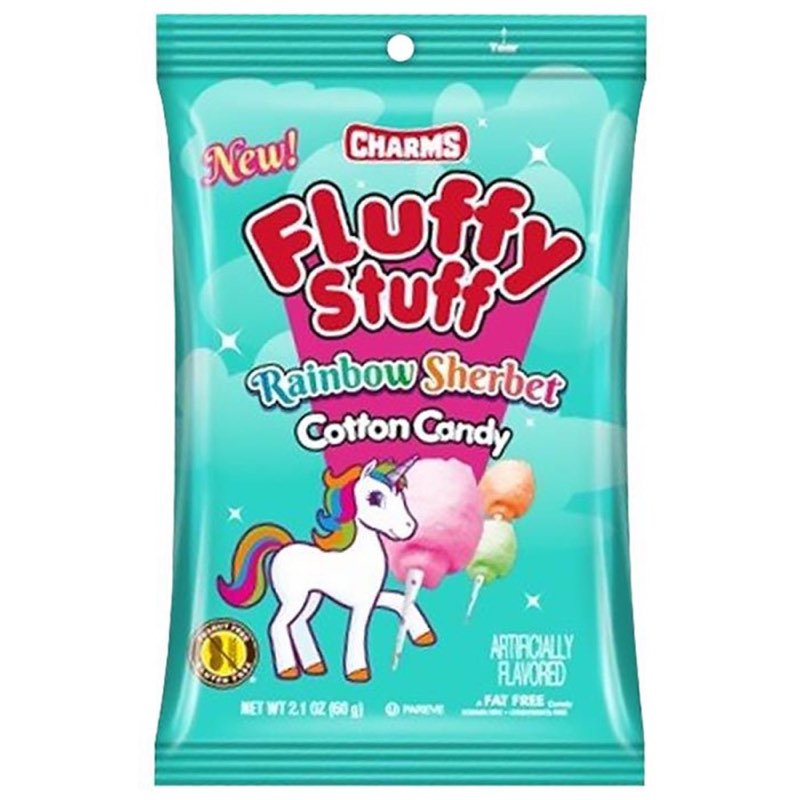
Charms · 60g
Read the full guide
Charms Fluffy Stuff Rainbow Sherbet Cotton Candy 60g
£2.49
✔ In stock — ready to ship
Fresh stock
Free over £20
Same-day dispatch
Secure checkout
Everyone who buys sweets regularly has an instinct for sourness, but very few people have a map. The instinct says "this one is sour and this one is not". The map says something much more useful: sourness runs along a scale, every sweet sits at a point on it, and the point a sweet occupies determines what it can do for you. Get this right and a bag or a table works. Get it wrong and you end up with six items that all fight, or six that all agree so completely that the whole thing tastes like one long note.
There are four positions worth naming on that scale, and the one at the bottom is the one this page is about.
The full guide to Charms Fluffy Stuff Rainbow Sherbet Cotton Candy 60g
6,685 words on how it eats, who it suits, how to serve it and what to put beside it.
Reading the sweet-to-sour scale, and why the sweet end is the hardest to plan
At the very bottom is pure sweet — no acidity to speak of, nothing to make you blink, nothing that pulls the sides of the tongue. This is the register of floss, fudge, milk chocolate, marshmallow and most of the things small children reach for first. It is the widest possible base and the easiest thing in the world to sell, and it is also, counter-intuitively, the hardest to build a spread around. A sweet with no edge to it has nothing to push against, which means everything you put next to it has to supply the contrast.
The next step is the bright band — sweets with a little acidity worked in, enough to register as liveliness rather than as sourness. Most fruit sweets live here. If you asked somebody whether these were sour they would say no, they are just fruity, and that is exactly right. Sherbet-named sweets generally belong in this band or on the boundary between it and the one below, because sherbet in confectionery signals brightness rather than genuine sharpness.
Above that is the sour finish band, where there is a real coating doing real work — a tang that makes the mouth water and resolves into the flavour underneath within a second or two. And above that is the challenge band, which is less a confectionery product than a dare with sugar attached, bought to be filmed and passed around rather than eaten steadily.
Cotton candy sits at the very bottom of that scale, and it sits there absolutely. There is no ambiguity about where floss belongs: it is the most purely sweet thing on any counter, with nothing sharp anywhere in it, and it dissolves so fast that even if there were an edge there would be no time to notice it. A sherbet name on the front points at brightness in the flavour idea rather than at any real sourness — the name is telling you which fruit direction the flavour is going, not that it is going to bite.
Knowing that solves the main problem people have with this product, which is not the product at all but what they put next to it. If you build a table out of floss, marshmallow, milk chocolate and fudge, you have built a table with one position on it, and people will graze it for ten minutes and stop. Not because any individual item is bad, but because the mouth adapts to unbroken sweetness astonishingly quickly. Palate fatigue at the bottom of the scale sets in faster than anywhere else on it.
The fix is not to buy less of the sweet stuff. It is to put a rung or two above it on the same table. One bright item and one sour-finish item alongside a base of floss will keep people coming back for an entire evening, because every time the sweetness starts to flatten out, there is something on the table that resets it. Contrast is what makes a spread last, and at the bottom of the scale you have to supply all of it deliberately.
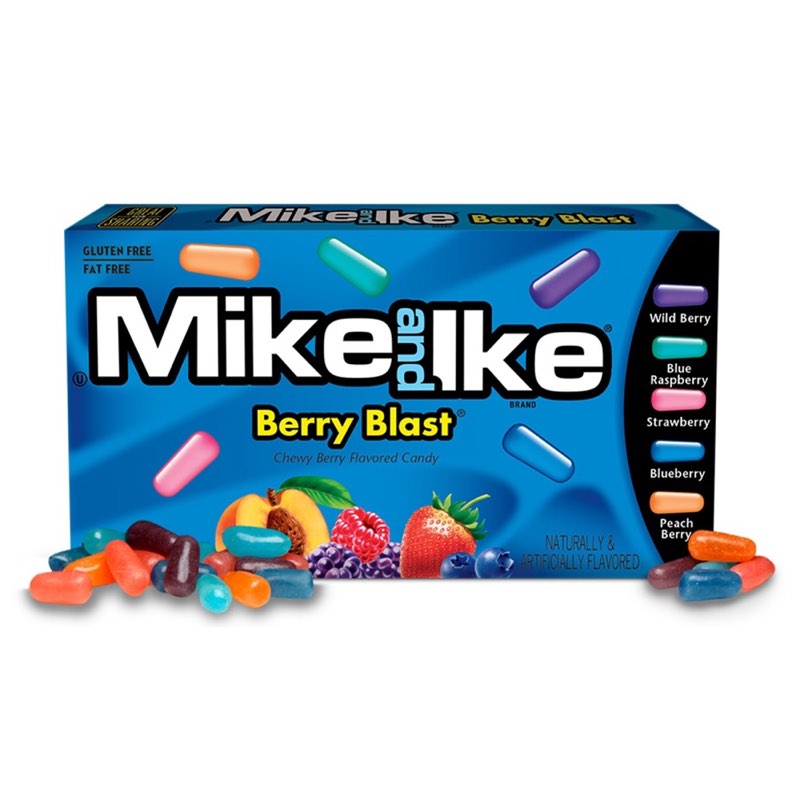
In practice that means choosing companions by position rather than by flavour. Grape and strawberry Nerds at £1.49 are the cheapest way to add the bright band, and they do it with a tiny, crunchy format that could not be more different in the mouth from floss. A berry blast theatre box at £2.25 does the same job with more volume and a chewier texture, which suits a table where people are taking handfuls rather than pinches. If you want to go a rung higher, a 140 g bag of Pinballs at £1.99 brings a proper chew with a sharper edge to it, and the slow eating speed of a chew is a useful brake on a table where everything else vanishes instantly.
There is a second axis that people forget about entirely, and at the bottom of the sweet scale it matters more than the sourness does: texture. Two items can occupy exactly the same point on the sweet-to-sour scale and still feel completely different, purely because of how they behave in the mouth. Floss dissolves. A jelly bean is worked at. A mint is sucked. A chewy caramel is laboured over. If you cannot vary the sourness of a table — because you are catering for young children, say, and want to keep everything gentle — you can get nearly the same effect by varying the texture instead.
That is the most practical thing on this page. A 70 g bag of American classics jelly beans at £2.40 sits at almost the same sweetness level as floss but eats in a completely different way: a shell, then a chew, then a long finish, where floss is gone in under a second. Put those two together and nobody notices that you have not varied the sourness at all.
The same logic explains why the traditional counter kept a jar of something aromatic within reach of everything sweet. An aniseed balls jar at £16.99 is the full-size version of that idea — not sour in the slightest, but so completely different in character that it functions as a palate reset in the same way a sour sweet would. Junior Mints at £2.59 do the smaller, cooler version of the same trick, and mint is the single most effective thing you can put on a sweet table to stop everything tasting the same by nine o'clock.
The last thing the scale teaches is about order. People eat a table from the nearest end, so whatever is closest to the door gets eaten most. If the sweetest, fastest-disappearing item is nearest the entrance, it will be gone before half the guests have arrived, and the rest of the table will look untouched by comparison. Put the bottom-of-the-scale items in the middle and the things with more character at the ends, and the whole table empties evenly. That is the sort of detail that separates a spread that works from one that merely exists, and it leads directly into the party-planning section further down.
What you are actually buying at 60 g
The number on the pack is 60 g, and it is the most misleading figure in confectionery — not because it is wrong, but because weight is the wrong unit for this product entirely.
Floss is almost nothing but air held in a structure. Sixty grams of it occupies a volume that would astonish anyone who has only ever bought sweets by weight, because the same sixty grams of any other sweet on the site would sit in the palm of your hand. This is the one product category where the grams tell you very little and the volume tells you everything, and it is worth adjusting your expectations before the pack arrives rather than after.
That has three practical consequences, and they run right through the rest of this page. It means the value calculation looks different from every other item in the shop, because you are not really buying weight. It means the storage rules are unusual, because a structure made mostly of air is fragile in ways a jelly or a chocolate is not. And it means that for a party table, this is a volume item and a spectacle item rather than a bulk item — it fills a bowl impressively on a small budget and it disappears at a rate that has to be planned for.
The format itself is the oldest kind of fairground theatre there is. Spun floss is the sweet that people photograph before they eat, and there is no getting around the fact that a large part of what you are buying is the look of it. The tub-and-lid presentation that this kind of product comes in is a real advantage over the stick version, because it means the floss is sealed and protected rather than exposed — and as the storage section below explains, exposure is the enemy here.
The name carries the flavour idea: a rainbow sherbet direction, which in confectionery naming points at a mixed-fruit proposition rather than a single note. There is more on what that signals in the flavour section.
How floss actually eats
The eating experience is unlike anything else on the site, and it is worth describing properly because it explains almost every decision you might make about this product.
It begins with the hand. Floss is the only sweet that you take a piece of rather than take a piece. You pull, and it gives way in a soft, stringy, slightly clinging fashion, and whatever comes away is never quite the size you intended. That is part of the pleasure and part of the mess, and it is why floss is a hands-on item best served where sticky fingers are not a disaster.
Then it goes in, and it does the thing that nothing else does: it disappears. There is no chew, no suck, no break, no shell. The structure collapses against the warmth and moisture of the tongue almost instantly, and what was a substantial handful a second ago is now a small amount of intense sweetness spread across the mouth. That collapse is the whole experience. People who love floss love that moment specifically, and people who are indifferent to floss usually say it is over too quickly — both are describing exactly the same thing.
Because the collapse is so fast, the flavour has to arrive all at once rather than in stages. There is no first impression and no finish in the way a chew or a chocolate has them; there is a single burst of sweetness with the fruit direction carried inside it, and then it is gone. The tail is short and clean, which is one of the quiet advantages of the format — floss does not coat the palate the way chocolate does, so it does not spoil whatever you eat next. On a table where several things need to be tasted, that matters.
The other consequence of the instant collapse is pacing, and it runs in a direction that catches people out. Because a piece takes no time to eat, there is no natural pause between pieces. A chew paces you. A hard sweet paces you. Floss does not pace you at all, which is why a bowl of it empties far faster than a bowl of anything else, and why the party-planning advice below treats it as the first thing on the table to run out.
One more sensory note. Floss is quiet. It makes no sound going in and no sound being eaten, which sounds like a trivial observation until you compare it with a bag of hard sweets at the cinema or a crunchy item in a quiet room. It is one of the least disruptive things you can eat in company.
What a rainbow sherbet name is telling you
Flavour names in confectionery are a language, and rainbow sherbet is one of the more informative phrases in it. It is worth unpicking, because it sets expectations better than any tasting note could.
Rainbow, in a sweet name, means multiple. It signals that you are getting a mixed proposition rather than a single flavour running all the way through, and it is a promise of variety rather than of any particular fruit. It is the naming convention used whenever the selling point is that no two mouthfuls need be identical.
Sherbet is the more interesting half. In British usage, sherbet means a bright, fizzy, powdery thing you dip into. In American confectionery naming, which is where a product called cotton candy rather than candy floss is coming from, sherbet points at the fruit-sorbet register instead — the bright, cool, fruit-forward direction of a summer dessert rather than anything sharp or fizzy. Either way, the word is signalling brightness. It is telling you that the flavour idea leans fruity and fresh rather than creamy, caramel or vanilla.
Put together, the name is doing what a good sweet name should: it tells you the register before you open it. This is a fruit-forward, multi-direction, bright proposition rather than a single deep note, and that is exactly what suits the floss format, because a format that is over in a second wants a flavour that announces itself immediately rather than one that unfolds.
Which other things sit comfortably beside a bright multi-fruit idea? Anything in the berry register agrees with it without competing — the berry blast theatre box mentioned earlier is the straightforward choice, and it brings a chew to the table at the same time. Anything in the grape-and-strawberry direction does the same at a smaller scale. What does not sit well beside it is another item trying to be the bright fruit centrepiece, because two mixed-fruit propositions on the same table simply blur into a general impression of fruit sweetness and neither one gets noticed.
For deliberate contrast rather than agreement, go somewhere the fruit register cannot follow. Milk Duds at £2.99 are a caramel-and-chocolate direction with a slow, chewy eating speed — about as far from instant fruit floss as it is possible to get while still being a sweet. A 120 g bag of dipped pretzels at £5.29 brings a salt-and-crunch angle that makes a bright fruit flavour taste brighter by comparison. Both are better companions than a second fruit item, and both are the sort of thing people are pleased to find on a table rather than expecting to find.
A party planner's view: quantities, timing, and what disappears first
Planning a sweet table is a logistics problem dressed up as a fun one, and almost all the mistakes people make are the same three mistakes. They buy the wrong quantity, they put everything out at the wrong time, and they fail to predict which items will be gone in twenty minutes. Floss is implicated in all three, so it is worth working through them properly.
Quantities
Start with the only number that matters: budget roughly 50 g of sweets per head across the whole table, not per item. That figure surprises people, because it sounds low, but a sweet table is almost never the only food at an event and guests graze it rather than eat a meal from it. Twenty guests means about a kilo of sweets in total, spread across however many items you are putting out.
Floss breaks that rule, and it breaks it in the direction of volume rather than weight. Because 60 g of floss occupies so much more space than 60 g of anything else, a single pack looks like a substantial contribution to a table while weighing almost nothing. That is genuinely useful when you are filling a table on a budget: floss is the cheapest way to make a table look full. But it also means you cannot count it towards your gram total honestly — it fills the eye, not the stomach, and the rest of the table still needs to be catered properly.
The practical rule for floss specifically: one pack per six to eight guests if it is one item among several, or one pack per three to four if it is a headline item that people will be going back to. At £2.49 that is a very manageable line on the budget, and the temptation to buy one pack for a party of thirty should be resisted — it will be a lovely thing that eleven people got to try.
Timing, which is the part everyone gets wrong
Floss is the single most time-sensitive item you can put on a table, and it is not close. Once the container is open, floss begins to change: it draws in the moisture from the air around it, the structure softens and settles, and over a few hours it compacts into something denser and stickier than what you opened. In a warm room full of people — which is to say, at a party — that process runs faster than it does in an empty kitchen.
The consequence is a simple rule with no exceptions: open the floss last. Set up everything else, fill every other bowl, arrange the table, and then open the floss as the first guests arrive. A table laid two hours early with the floss opened at the start will have a sad, settled, slightly clumped centrepiece by the time anyone reaches it, and every guest will assume it was always like that.
The corollary is that anything you open early should be something that does not care. Jelly beans do not care. Hard sweets do not care. Chocolate does not care as long as the room is not hot. Those are your set-up-early items, and floss is your open-at-the-door item. If you are running a long event, a second pack opened halfway through is a far better plan than one pack opened at the start, and it gives you a second moment of theatre into the bargain.
What runs out first, and why
If you want to predict the order in which a sweet table empties, ignore how good the items are and look at how long each one takes to eat. Eating speed is the dominant variable, and it explains almost everything.
- Floss goes first. It is over in a second, there is no natural pause before the next piece, and it is the most visually tempting thing on the table. Expect it to be gone in the first half hour unless you ration it.
- Small, poppable items go second. Anything you can take by the handful and eat without thinking — small crunchy sweets, jelly beans, anything bite-sized — follows the same logic as floss at a slightly slower rate.
- Chocolate goes third, and it goes in a particular pattern: fast at the start, then slowly, because chocolate is rich and people self-limit after a few pieces.
- Chews and toffees go fourth. A chew takes real time to eat, which paces the eater whether they like it or not. A bowl of chews is still half full when the floss bowl has been empty for an hour.
- Aromatic and strongly flavoured items go last — mints, aniseed, anything with a definite character. These are the items people come back to rather than start with, and they are the reason a table is still interesting at the end of the evening.
Plan around that order rather than fighting it. The single most useful move is to hold back a portion of the fast items and refill midway through, because a table that is replenished once feels generous and a table that empties in order feels like it was under-catered. The slow items need no such management; they will look after themselves.
Laying the table out
People eat from the nearest end. That is the whole of table psychology in one sentence, and it means the placement of the fast items decides how evenly the table empties. Put the floss in the middle rather than at the entrance, so guests have to walk past two or three other things to reach it — they will pick up something else on the way, which is exactly what you want.
Give the fast items small vessels and the slow items large ones. A big bowl of something that vanishes in twenty minutes just looks empty for the rest of the evening; a small bowl refilled twice always looks full. This is the cheapest visual trick in party catering and it works every time.
Keep one thing on the table that is purely a talking point. A giant Vimto spray at £1.89 is that item at a negligible price — the sort of thing that gets picked up, examined and passed around, which slows people down and gives them something to do that is not eating. Talking-point items earn their place on a table even when hardly anyone eats them.
The practical checklist
- Total sweets: about 50 g a head across the whole table.
- Floss: one 60 g pack per six to eight guests as a supporting item, or per three to four as a headline.
- Aim for at least three eating speeds on the table: instant, medium and slow.
- Aim for at least two points on the sweet-to-sour scale, even if you are keeping it gentle.
- Open everything except the floss in advance. Open the floss as guests arrive.
- Hold back a third of the fast items for a mid-event refill.
- Small bowls for fast items, large bowls for slow ones.
- Napkins near the floss, always. It is a hands-on sweet.
- Keep the table out of direct sun and away from radiators — floss suffers most, but nothing benefits.
For the medium and slow speeds, the obvious candidates are easy to find. A six-bar theatre box at £2.49 gives you a chewy bar format at exactly the same price as the floss, which makes budgeting simple. The 70 g jelly bean bag covers the medium speed with a lot of flavour variety in a small bag. And for the genuinely slow end, a full sweet jar of aniseed balls is a single purchase that will outlast the event and then sit on a shelf looking the part.
Who this suits
It suits anyone catering by eye rather than by weight. If your problem is that a table looks sparse and the budget is spent, this is the most volume-per-pound on the site, and it fills a bowl in a way nothing else at £2.49 can.
It suits children's parties, straightforwardly, and it suits the adults at them too, because floss is one of the few sweets that nobody is embarrassed to enjoy. The fairground association does a lot of work.
It suits people who like the moment more than the meal — the collapse on the tongue, the theatre of it, the photograph. If what you want from a sweet is something to work at over ten minutes, this is the wrong format entirely and a chew or a toffee will serve you far better.
It suits anyone who needs a sweet that does not coat the palate, which is a genuinely useful property on a table where several things need to be tasted, and which sets it apart from chocolate at the same price.
It does not suit a lunchbox or a bag, because floss and movement are not friends, and it does not suit being opened early. As with every sweet, treat it as an occasional thing rather than a staple. Keep young children supervised around sweets generally, since small whole pieces of any kind present a choking risk for the very small, and if anyone in your household manages an allergy, check the manufacturer's packaging on the pack when it arrives and before anyone eats from it — the pack in your hand is always the definitive source on what it contains.
Building a mix and a spread around it
Floss is a poor pick-and-mix component and an excellent table component, and it is worth being clear about the difference. In a mixed bag it does not work: it compacts against everything else, it does not survive being scooped and poured, and it loses its structure within hours of being jumbled together with harder sweets. Keep it in its own vessel.
On a table, though, it is one of the best anchors available, because it does the visual work that lets everything around it be smaller and more interesting. The build is a matter of covering the gaps it leaves.
The first gap is texture, since floss provides none. Add one chew and one crunch. The theatre-box bars give you the chew cheaply; the small crunchy sweets give you the crunch for less than the price of a coffee.
The second gap is the sweet-to-sour scale, since floss sits at the very bottom of it. Add one item a rung or two up — the berry-direction theatre box, or a bag of proper chews with an edge to them — and the whole table becomes more interesting without anything becoming challenging.
The third gap is character, meaning anything that is not fruit and not plain sweetness. Mint is the classic answer and works on every table. Aniseed is the traditional answer and works on a table with adults at it. A caramel-and-chocolate item covers the same ground from the rich end.
The fourth gap is the talking point, which floss half-fills on its own — it is already the most-photographed thing on the table — but which benefits from a second odd item somewhere else in the spread so that the eye has two places to land.
If you would rather have two floss items than one, the sensible move is not two of the same but the plain and the flavoured side by side: the 71 g Fluffy Stuff cotton candy at £2.49 is the same brand and the same price in the straightforward direction, which makes an interesting comparison next to a rainbow sherbet idea and gives you two bowls to fill instead of one.
What £2.49 actually buys
There is one size here — 60 g at £2.49 — so the arithmetic is short, but it is worth doing because it produces one genuinely useful finding.
At £2.49 for 60 g you are paying £4.15 per 100 g by weight. That looks unremarkable next to the rest of the shop, and if you stopped there you would conclude that floss is averagely priced. But weight is close to meaningless for this format, as the section above explained: what you are buying is volume, theatre and a moment, not grams. Judged on how much bowl it fills, nothing else at this price comes close.
Here is how it sits against its neighbours at similar money:
| Line | Size | Price | Per 100 g | Eating speed |
|---|---|---|---|---|
| This pack | 60 g | £2.49 | £4.15 | Instant |
| Fluffy Stuff cotton candy | 71 g | £2.49 | £3.51 | Instant |
| Jelly bean bag | 70 g | £2.40 | £3.43 | Medium |
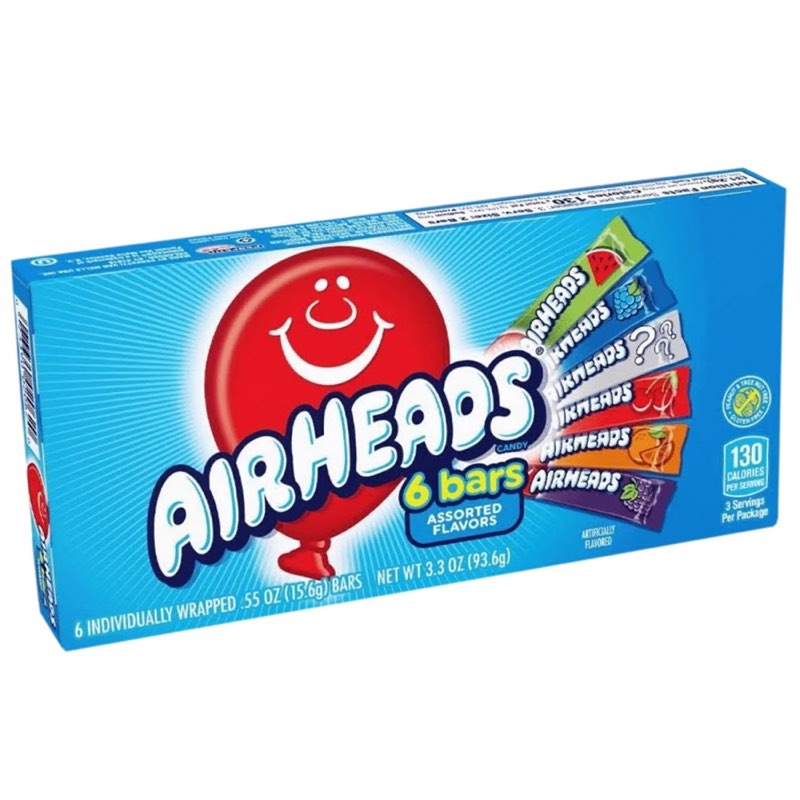
| Airheads theatre box | 93.6 g | £2.49 | £2.66 | Slow |
| Dipped pretzels | 120 g | £5.29 | £4.41 | Medium |
The finding is in the second row. The plain Fluffy Stuff pack is the same brand at the same £2.49 but carries 71 g rather than 60 g — eleven grams more floss for identical money, which on a per-100 g basis is £3.51 against £4.15. If your only consideration were quantity, that would settle it. What you are trading for those eleven grams is the rainbow sherbet flavour idea, and whether that is worth sixty-four pence per 100 g is a question about what you want on the table rather than a question about value. For a themed or fruit-led spread, it plainly is. For simply filling a bowl, the larger pack wins.
The other lesson in that table is about eating speed, and it is the more important one for anyone catering. The theatre box is the cheapest per 100 g and the slowest to eat, which means it lasts several times longer than its price advantage alone would suggest. Floss is the most expensive way to fill a stomach and the cheapest way to fill a bowl. Both facts are true at once, and a well-planned table uses each item for what it is good at rather than pretending they are interchangeable.
On portioning: a 60 g pack is a generous single serving for one, an enjoyable share for two or three, a taste each for six to eight at a table with other things on it, and not enough for a party of twenty on its own. If you are catering for more than about ten people and floss is a headline item rather than a supporting one, buy two or three packs and open them in sequence rather than all at once.
Keeping floss in the state you bought it
Floss has more specific storage requirements than anything else in the shop, and all of them come down to one thing: it does not like damp air. A structure made mostly of air will take up moisture from the air around it, and when it does, the structure settles, softens and eventually compacts into something denser and stickier than what you opened. Nothing has gone wrong when that happens, but it is not what you bought, and it is completely preventable.
The rules follow directly.
Keep it sealed until the moment you want it. This is the single most important one and the one most often ignored. An unopened container is doing all the storage work for you. There is no benefit whatsoever to opening it early, and there is a real cost.
Reseal properly and immediately. If you do not finish the pack, close it firmly rather than folding the lid over and hoping. A loosely closed container in a kitchen is barely better than an open one, because kitchens are the dampest rooms in most houses.
Keep it away from steam and water. Not near the kettle, not above the hob, not by the sink, not in a bathroom. This is the rule people break without noticing, because a cupboard above a kettle seems perfectly sensible for everything else in it.
Never refrigerate it. The fridge is a cold, humid box and it is close to the worst possible place for floss. Taking anything out of a fridge brings condensation to the surface, and condensation is precisely what floss cannot tolerate. A cool, dry cupboard is the correct answer in every case.
Keep it out of the sun and away from heat. Warmth softens and settles the structure even when the air is dry, so a sunny windowsill or a shelf above a radiator will do its own damage.
Do not decant it into a mixed container. Floss mixed with other sweets compacts against them almost immediately. If you are building a hamper or a gift box, keep it in its own sealed container within the box rather than loose among the other items.
On a humid day — and Britain has a great many of those — expect the open pack to have a shorter working life than usual, and plan the timing around that. As always, go by the date printed on the manufacturer's packaging rather than by guesswork.
One size, and the choice between the two packs
There is a single option on this listing: 60 g at £2.49. There is no larger tub and no multipack, so the question is not which variant to buy but how many packs and whether to buy the sibling alongside it.
For one or two people, one pack is plenty and will be a proper occasion. For a small gathering where floss is one item among several, one pack covers six to eight guests at a taste each. For anything larger, or where floss is the thing people have come for, count on two or three and open them in sequence so that the second and third are fresh when they reach the table.
The genuine decision is flavour against quantity. This pack offers the rainbow sherbet direction at 60 g. The straightforward Fluffy Stuff pack offers 71 g for the same £2.49 in the plain direction. If you are torn, buying both is the better answer than agonising: two bowls at under five pounds gives you a comparison, a bigger-looking table and a small point of interest for guests, which is more than either pack achieves alone.
Where this sits in the shop
This product is filed on one shelf, which makes it easy to place. The candy and chocolate department, which runs to 26 lines, is where the boxed, tubbed and packaged items live — the things that come in their own container rather than being weighed out — and it is the right place to browse if the format is what interests you.
Beyond that, three wider hubs are worth knowing. The complete catalogue is the everything-at-once view for when you would rather scroll than filter. Our loose sweets range is the weighed-out side of the shop, and it is where you will find the bulk items that fill out a table underneath a volume item like this one. And the pick and mix pages are where to go if you are building a bag rather than buying single packs — bearing in mind the advice above that floss belongs in its own vessel rather than in the mix itself.
If you are putting an order together around this pack, the neighbouring lines each do a distinct job on a table. The Airheads theatre box gives you the slow chewy end at the same price. Grape and strawberry Nerds are the cheapest crunch on the list at £1.49. The berry blast box keeps you in the fruit register with a chewier texture. The small bag of Pinballs brings a sharper edge and a genuinely slow eating speed. A box of Junior Mints and the aniseed jar are your two palate-resetting options at opposite ends of the budget. The caramel-and-chocolate Milk Duds and the salted pretzel bag cover the rich and savoury-leaning corner. The jelly bean bag at £2.40 is the best single source of flavour variety for the money. And the giant spray at £1.89 is the talking point that costs almost nothing.
Questions people ask before buying
Is 60 g a lot of cotton candy?
By volume, yes — considerably more than the number suggests. Floss is mostly air held in a structure, so 60 g of it fills a bowl in a way that 60 g of any other sweet on the site simply would not. Weight is close to meaningless as a guide here. Judge it by how much space it takes up rather than by the figure on the pack, and expect to be surprised in the right direction when it arrives.
Is it sour at all?
No. Floss sits at the very bottom of the sweet-to-sour scale, with nothing sharp anywhere in it, and it dissolves so quickly that there would be no time to register an edge even if there were one. A sherbet name signals a bright, fruit-forward flavour direction rather than any actual sharpness. If you want something with a genuine tang on the same table, buy it separately — a bag of chews or a fruit box will supply the contrast.
Should I buy this or the 71 g pack?
They are the same brand at the same £2.49, and the plain 71 g version of Fluffy Stuff gives you eleven grams more floss — £3.51 per 100 g against £4.15. So if quantity is your only concern, take the larger one. What you get for the difference here is the rainbow sherbet flavour idea, which is worth it for a fruit-led or themed table. If you genuinely cannot choose, both together come to under five pounds and give you two bowls.
When should I open it at a party?
As the first guests arrive, and not a minute earlier. Floss takes up moisture from the air once it is open, and over a few hours in a warm room it settles into something denser and stickier. Everything else on the table can be laid out in advance; this is the one item that should stay sealed until the last moment. For a long event, open a second pack midway rather than putting everything out at the start.
How much do I need for a party?
As a supporting item among several, roughly one 60 g pack per six to eight guests. As a headline item that people will return to, one per three to four. Across the whole table, budget about 50 g of sweets per head in total — but do not count floss honestly towards that figure, because it fills the eye rather than the stomach and the rest of the table still needs catering properly.
Will it be the first thing to run out?
Almost certainly. Eating speed decides the order a table empties in, and nothing is faster than floss — it is gone in a second and there is no natural pause before the next piece. Expect the bowl to be empty inside half an hour unless you ration it. The practical fix is to hold back part of the pack, or a second pack, and refill once during the event rather than putting everything out at the start.
Can I put it in a pick and mix bag?
Better not to. Floss compacts against harder sweets, does not survive being scooped or poured, and loses its structure within hours of being jumbled together with other items. It is a poor mixer and an excellent table anchor. Give it its own bowl or leave it in its own container, and build the variety around it rather than into it.
How do I stop it going sticky?
Keep it sealed until you want it, reseal it firmly if you do not finish it, and keep it somewhere cool and dry. The specific things to avoid are steam and damp: not near the kettle, not above the hob, not by the sink, and never in the fridge, which is a cold humid box and about the worst place you could choose. A cool, dry cupboard away from heat and sunlight keeps it exactly as it should be.
Is it messy?
It is a hands-on sweet, so yes, to a degree. You pull pieces away rather than picking them up, and whatever comes away is never quite the size you intended. Put napkins next to it on any table, and think twice about it in a car or a lunchbox, where movement and warmth are both working against you. The upside is that it leaves the mouth clean — it does not coat the palate the way chocolate does.
What should I serve alongside it?
Aim for contrast in two directions. First texture: floss provides none, so add one chew and one crunch. Second character: floss is purely sweet, so add something with mint, aniseed, caramel or salt in it to reset the palate. A table of floss, marshmallow and milk chocolate is one note repeated three times, and people will stop grazing it far sooner than you expect.
Is it good for a hamper or a gift box?
It works, with one condition: keep it in its own sealed container inside the box rather than loose among the other items, because floss compacts against anything hard it touches. Used properly it is a good hamper component, since it adds visible bulk for very little money and it looks generous through cellophane. Build it in near the front where it can be seen.
Is it suitable for young children?
Sweets of every kind are a treat rather than an everyday food, and it is worth saying so plainly. Keep young children supervised around sweets generally, since small whole pieces present a choking risk for the very small. If anyone in the household manages an allergy, read the manufacturer's packaging on the pack when it arrives and before anyone eats from it — the pack in your hands is always the authority on what is inside it.
To sum up
A 60 g pack of spun floss at £2.49 in a bright, fruit-forward rainbow sherbet direction — the cheapest way there is to make a table look full, and one of the few sweets that is genuinely an event rather than a snack. It sits at the very bottom of the sweet-to-sour scale, which means the things you put next to it are doing more work than usual, so plan for texture and character around it. Keep it sealed until the guests arrive, give it its own bowl, put napkins beside it, and accept that it will be the first thing on the table to disappear. That is not a fault. That is the product working exactly as intended.
More candy & chocolate sweets
Where this sits
Charms Fluffy Stuff Rainbow Sherbet Cotton Candy 60g appears on these shelves. Browse them, or jump to something nearby.
You might also like