3D · 60g
Read the full guide
Sour Patch Kids Chews 60g
£2.79
✔ In stock — ready to ship
Fresh stock
Free over £20
Same-day dispatch
Secure checkout
Open a 60g bag of Sour Patch Kids Chews and the first thing that happens is not a taste at all — it is a smell. Sour sweets announce themselves from the open corner of a bag before anything reaches your tongue, a sharp, bright, slightly prickly note that arrives about half a second ahead of the sweet itself. That anticipation is part of the product. People flinch slightly before the first one even leaves the bag, and then eat eleven more.
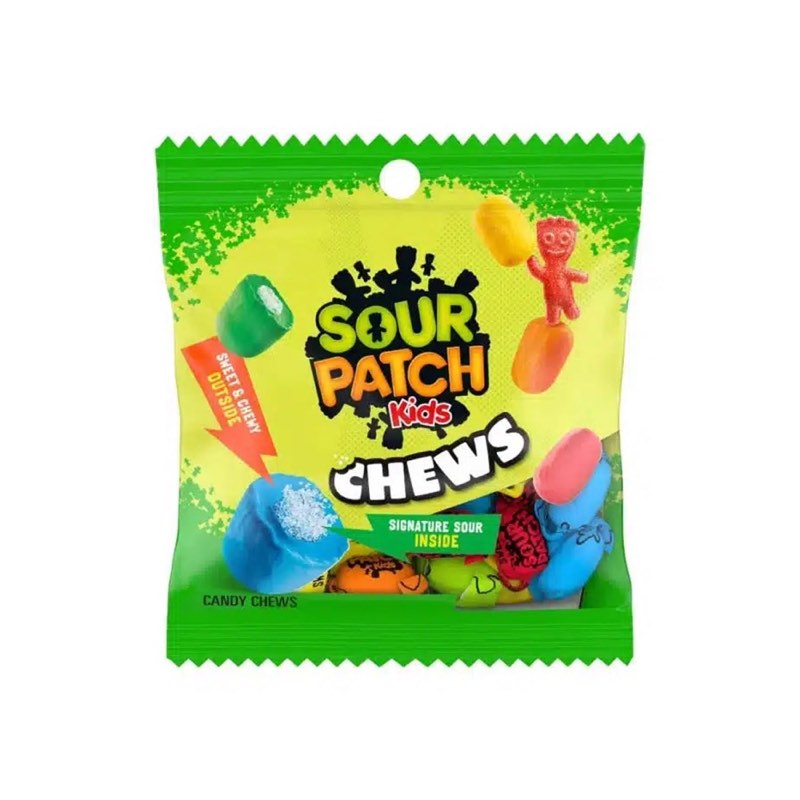
Tip a few into your palm. They are small, soft-edged little figures, multicoloured — that is how we tag them on our colour filter — and they sit loose in the hand rather than clumping. The surface is matte rather than glossy, and that matte finish is where all the sourness lives. You can feel it faintly on your fingertips, which is the first warning of what the sweet is about to do.
The full guide to Sour Patch Kids Chews 60g
5,086 words on how it eats, who it suits, how to serve it and what to put beside it.
The first one out of the bag
The size is deliberately modest. Each one is a mouthful rather than a bite, which means you eat them in a rhythm — one, pause, another — rather than working through a single large sweet. That rhythm is what makes a small bag disappear faster than it should.
What happens between the first second and the tenth
The eating experience here has a shape to it, and the shape is the whole point. Almost nothing else on the shelf runs through as much change in the space of one small sweet.
Second one: the hit. The sourness is immediate and it is not gentle. It lands on the sides of the tongue and at the back of the jaw — the place where an unripe apple gets you — and it makes your mouth water hard. Some people wince. A lot of people make a noise. This is the part children specifically go looking for, and it is the part that anyone who says they do not like sour sweets is reacting to.
Seconds two to four: the peak and the turn. The sharpness holds for a beat and then starts to drop away, because it lives on the outside of the sweet and the outside is the first thing to go. This is the moment the sweet changes character, and it happens fast enough to feel like a trick.
Seconds four to ten: the chew. What is left underneath is a straightforwardly sweet, soft, pliable chew with none of the aggression of the opening. It is mild. It is almost comforting. You are now eating a different sweet from the one you put in your mouth, and it is the relief of that transition, as much as the sourness itself, that makes people immediately reach for a second.
The finish. A faint tingle stays on the tongue and the sides of the mouth for a few seconds afterwards, which is what primes you for the next one. Eat six in a row and that tingle accumulates; the fourth and fifth feel sharper than the first because your mouth has not reset between them. This is why a 60g bag eaten in one go feels more intense than 60g eaten across an afternoon, and it is worth knowing if you are giving them to a child who does not yet understand pacing.
Sixty grams is a decision, not an accident
This is a 60g bag at £2.79, and the size is doing something specific. Sixty grams is one person's portion — a cinema bag, a lunchbox bag, a handbag bag, a bag you open on a train and finish before you arrive. It is not a sharing size and it is not a bulk size. If you put a 60g bag in the middle of a table of four people it will be gone in ninety seconds and nobody will feel they had any.
The format has real advantages. It is sealed, portable, and a single unit, which means it can be given to one person without dividing anything. It does not need a bowl. It does not need decanting. And it is over when it is over, which for a sweet this intense is arguably a feature rather than a limitation — sourness is more enjoyable in a bounded quantity than in an unlimited one.
What £2.79 buys, and when it is the wrong buy
Here is the number, unvarnished: £2.79 for 60g is £4.65 per 100g, or £46.50 a kilogram. That is a high price per gram. It is among the higher rates on the whole site, and we are not going to dress it up.
Whether that matters depends entirely on what you are buying it for, so let us be precise about when it is good value and when it is not.
When the price per gram is the wrong question
Nobody buys a single-serve bag by the kilogram, in the same way nobody costs out a coffee by the litre. You are buying one portion of one specific thing, in a sealed bag, for £2.79. Against the alternatives that actually compete for that purchase — the kiosk, the service station, the shop by the station — £2.79 for a named sour chew is an ordinary price and often a good one.
It is also worth noting that a small, intense sweet delivers its satisfaction per sweet rather than per gram. Sixty grams of something aggressive is a complete experience. Sixty grams of something mild is a taster. Rate-per-gram treats those as equivalent, and they are not.
When the price per gram is exactly the right question
If you are stocking a party, filling a bowl, or feeding a household, then rate per gram is the only sensible metric and this bag is not the answer. Here is what the alternatives look like on the same shelf:
| Line | Price | Weight | Per 100g |
|---|---|---|---|
| These chews | £2.79 | 60g | £4.65 |
| Mike & Ike sour theatre box | £2.25 | 120g | £1.88 |
| Red Band Dizzy Dolphins bag | £1.39 | 100g | £1.39 |
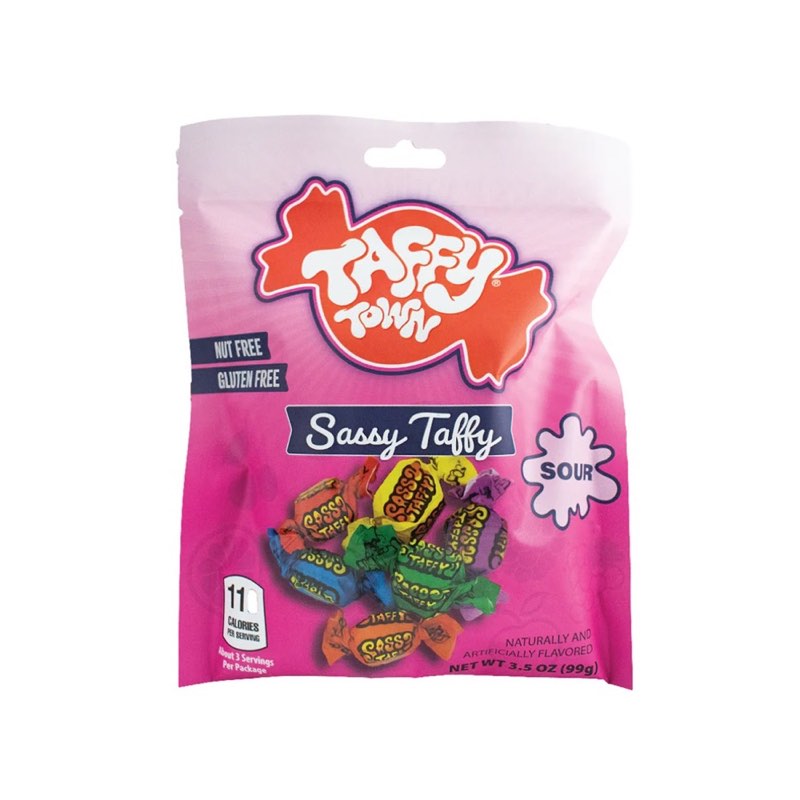
| Taffy Town Sassy Taffy Sour | £2.99 | 99g | £3.02 |
| Barnett's Mega Sour Apple | £3.99 | 104g | £3.84 |
The Mike & Ike Mega Mix Sour Theatre Box 120g at £2.25 is the standout on that table: double the weight for less money, which is £1.88 per 100g against £4.65. If your requirement is "a decent quantity of sour chews for a film", that box is objectively the better buy and we would rather tell you so than take the extra fifty-four pence.
Red Band Dizzy Dolphins Bag 100g at £1.39 is the cheapest per gram of anything in this comparison at £1.39 per 100g — a third of the rate. It is a different sweet with a different character, but if the job is "fill a bowl with soft shapes without spending much", it does that job three times more efficiently.
At the other end, Fuji Candy DIY Handmade Ramen Kit Box 20g at £2.99 for 20g works out at £14.95 per 100g, and it sells perfectly well, because nobody buying a make-it-yourself novelty kit is thinking about weight. That is the clearest possible demonstration that rate per gram only measures one kind of value.
Portioning at 60g
If you are buying several bags for an occasion rather than one for yourself, the maths is simple and slightly brutal. One bag per person is the only sensible allocation, because 60g does not divide into anything useful. Ten guests is ten bags at £27.90. At that point, buy one bulk sour line for the bowl and use a handful of these bags as the thing handed to specific people — the party-bag topper, the prize, the one for the child who asked.
The other honest use is as a controlled portion. A sealed 60g bag in a lunchbox is a fixed amount with a definite end, which is easier to manage than a scoop from a tub that could be any size. Some households will happily pay a premium per gram for that certainty, and there is nothing irrational about it.
How you build a sweet that is sour and then is not
The two-part experience described at the top of this page is not an accident of flavour — it is a structural decision about where the intensity sits, and it is worth understanding because it explains almost everything about how these behave.
The sourness is on the surface. The chew is underneath. That single fact accounts for the arc, the timing, the way the sweets behave in a bag, and the way they behave in your cupboard.
Start with the timing. Anything on the outside of a sweet reaches your tongue immediately and leaves quickly, because there is very little of it and it goes into solution in seconds. Anything inside a sweet is released slowly as the sweet is chewed down. Put the sharp part outside and the mild part inside, and you get a front-loaded hit that fades — which is the arc these have. Do it the other way round and you would get a sweet that starts mild and turns sharp halfway through, which is a much less pleasant surprise. The order matters, and this one is the right way round.
Then the chew itself, which is doing more work than it gets credit for. A chew is not a jelly and not a gum. A jelly gives way in a bite and is gone in a few chews; a gum resists and keeps resisting; a chew is in between — pliable, slightly stretchy, deforming under the teeth rather than fracturing. It keeps the sweet in your mouth long enough for the second half of the experience to happen, which is the whole reason these are chews rather than gummies. A sour gummy gives you the hit and then disappears before the relief arrives. A sour chew gives you both halves.
The surface texture is the third piece. That matte, slightly rough finish is not just where the sourness sits — it changes how the sweet feels before you bite it. A glossy sweet slides; a matte one grips slightly against the tongue, which registers as the sweet being "dry" for a fraction of a second before your mouth waters and it isn't. That tiny delay is part of the shock.
Size is calibrated to the intensity. These are small, and they have to be. The same recipe at three times the size would be unpleasant — too much sour surface arriving at once, and too long a chew afterwards for the relief to feel like relief. Small units mean the arc completes in about ten seconds, which is short enough to want to do again immediately. Intensity and size trade off against each other in confectionery, and this format sits at a well-judged point on that curve.
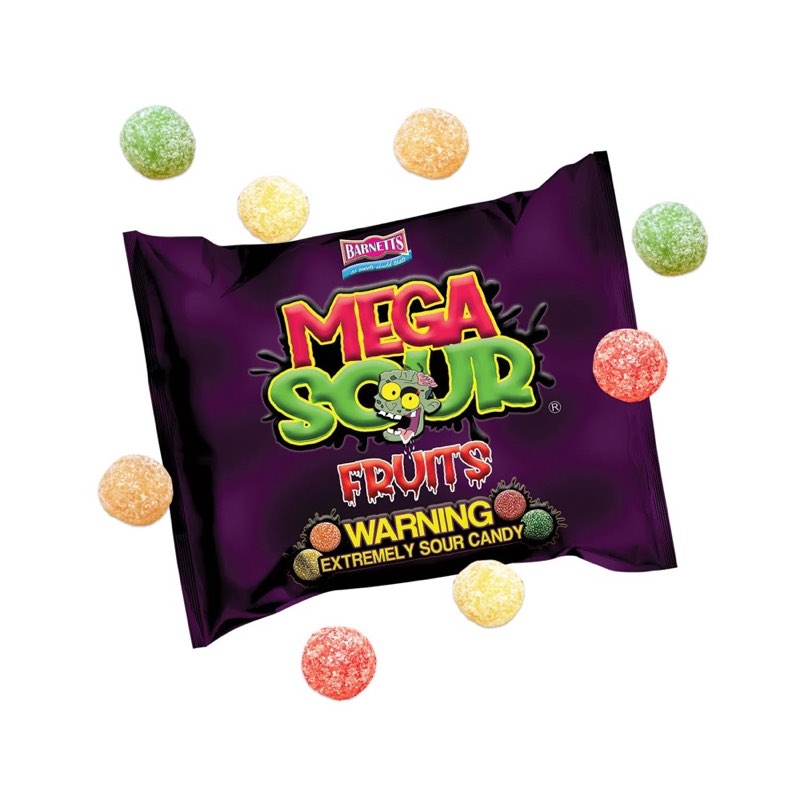
You can see all these decisions more clearly by looking at what else does it differently. Barnett's Mega Sour Apple Candy Bags 104g at £3.99 put the intensity on a hard sweet rather than a chew, which changes everything: a hard sweet cannot be chewed down quickly, so the sour phase lasts far longer and the experience becomes an endurance event rather than an arc. BUBS Cool Cola Skulls at £7.50 use a foamed body instead, which is lighter and collapses faster, so the sour part clears almost immediately and the flavour underneath does the work. Maoam Sour Blue Raspberry Pinballs at £5.49 wrap a chew in a firmer shell, adding a crack at the start that these do not have. And Park Lane Sour Blackcurrant Rings at £5.49 use a jelly body, so the sour phase and the sweet phase overlap rather than following one another.
Five different answers to the same design question, and knowing which one you prefer is far more useful than knowing which flavours you like. Most people who think they have a favourite sour sweet actually have a favourite sour structure.
The rituals people build around them
Very few sweets get eaten in a system, and this is one of the ones that does. It is worth describing, partly because it is genuinely how people behave with a bag of these and partly because the systems tell you something about the product.
Sorting by colour first. These are multicoloured, and the near-universal habit with any multicoloured bag is to tip it out and sort before eating. People then work through in an order — worst to best, best to worst, or alternating — and will defend their order with some heat. There is no wrong answer here and no colour is objectively better than another, but the sorting is real and it means these get eaten more slowly and more attentively than an unsorted handful would be.
The one-at-a-time rule. Because the arc takes about ten seconds and the tingle lingers afterwards, eating two at once is genuinely worse than eating two in a row — the sourness doubles without the relief doubling. Most people work this out within one bag and never eat these in handfuls again. It is one of the few sweets where the optimal eating speed is obvious from the sweet itself.
The waiting-out trick. Some people, mostly children, hold one on the tongue without chewing to see how long they can stand the sour phase before giving in. This makes the sharp part last far longer than it otherwise would, because chewing is what clears it. It is a game rather than a way of eating, and it is a large part of why this format is popular in the age group it is popular in.
The saved last one. A bag of small sweets almost always ends with one left in the bottom for later. With these, later usually means about four minutes.
None of this is required. But if you are buying these for somebody else and you want to know what you are handing over, you are handing over about ten minutes of small decisions rather than a snack that gets eaten absently, and that is a meaningful part of what the £2.79 buys.
Who this bag is for
The single-portion buyer is the core of it. One person, one bag, one occasion — the cinema, the train, the desk drawer at four o'clock. This is what the format exists for, and at £2.79 it is priced as a treat you buy for yourself without thinking about it.
The lunchbox packer is the second. A sealed bag is a defined portion, which matters when the alternative is a handful from a tub that grows every time you pack it. A bag a week is an ordinary rhythm.
The sour specialist is third and is the most committed buyer on this list. People who like sour sweets do not like them casually; they work through the shelf, rank them, and have strong views about which structure is best. If that is you, this is a benchmark line — mid-intensity, well-shaped arc, mild landing — and worth owning as the reference point you judge the fiercer ones against.
The gift-bag and prize buyer is fourth. A sealed named bag looks like a proper item in a party bag in a way that a scoop of loose sweets does not, and it needs no wrapping. For prize tables and raffle bags, a recognisable bag punches above its price.
And the curious first-timer is fifth. Sixty grams is the right amount to find out whether you like something. Buying a 780g tub of a sour line you have never tried is how people end up with 700 grams of regret.
Who it is not for: anyone feeding a group. Sixty grams does not serve a table, and the per-gram rate makes buying ten bags an expensive way to fill a bowl. For that, go to a bulk line and keep the small bags for the people you are singling out.
Where this sits on the sour scale
Sour is a spectrum, not a switch, and the most useful thing we can tell you is roughly where on that spectrum a line falls. We keep 49 sour lines and they spread across the whole range.
The mild end is sweets where sour is a seasoning — a lift, a brightness, something that stops the sweetness being flat. Nobody pulls a face. These are the ones you put in a mixed bowl at a party where you do not know the guests.
The middle is where these chews sit. There is a real reaction on the first one — a genuine sharp moment that a child will make a noise about — but it resolves quickly into something mild, and you can eat a whole bag without your mouth protesting. This is the most popular band on the shelf by some distance, because it delivers the event without the endurance.
The fierce end is where the sourness is the entire product and is meant to be difficult. Hard sour sweets live here, and so does anything marketed on the challenge. These are bought to be dared with as much as to be eaten, and they are not what you put in a bowl for a general audience.
A related axis worth knowing about is fizz, which people often confuse with sour. Fizz is a physical sensation — a prickle, a crackle — rather than a taste, and it can be present with or without much sourness. Kingsway Fizzy Bubblegum Bottles at £5.49 are a good demonstration: the sensation on the tongue is lively but the flavour underneath is sweet and round rather than sharp. If what somebody enjoys is the tingle rather than the pucker, a fizzy line will please them more than a sour one, and a lot of shoppers buy the wrong thing because the two words get used interchangeably.
And there is sour as a joke, where the shape carries as much of the appeal as the flavour. Candy Paradise Juicy Grenade Gummies at £1.39 are exactly that, and at under a pound and a half they are the cheapest way to add a talking point to a bowl.
Building around a small bag
A 60g bag is not a centrepiece. It is a component, and it works best in one of two roles.
As the sharp note in a snack spread. A film-night table wants something salty, something sweet, something crunchy and something sharp, and the sharp thing is what stops the whole spread tasting like one long sugar note. These do that job in a small quantity, which is all you need, because sharpness works in small doses.
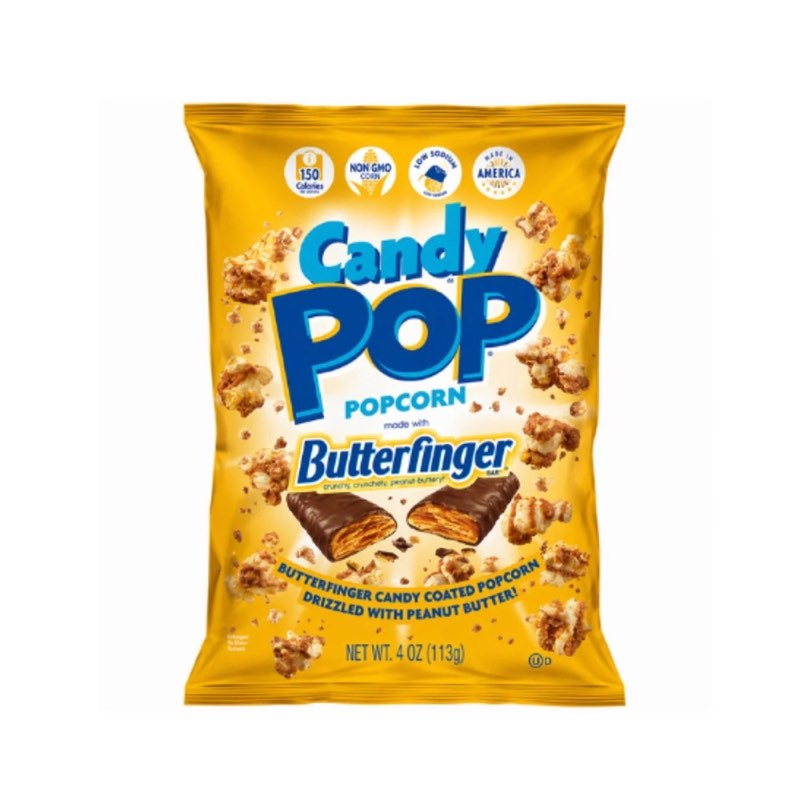
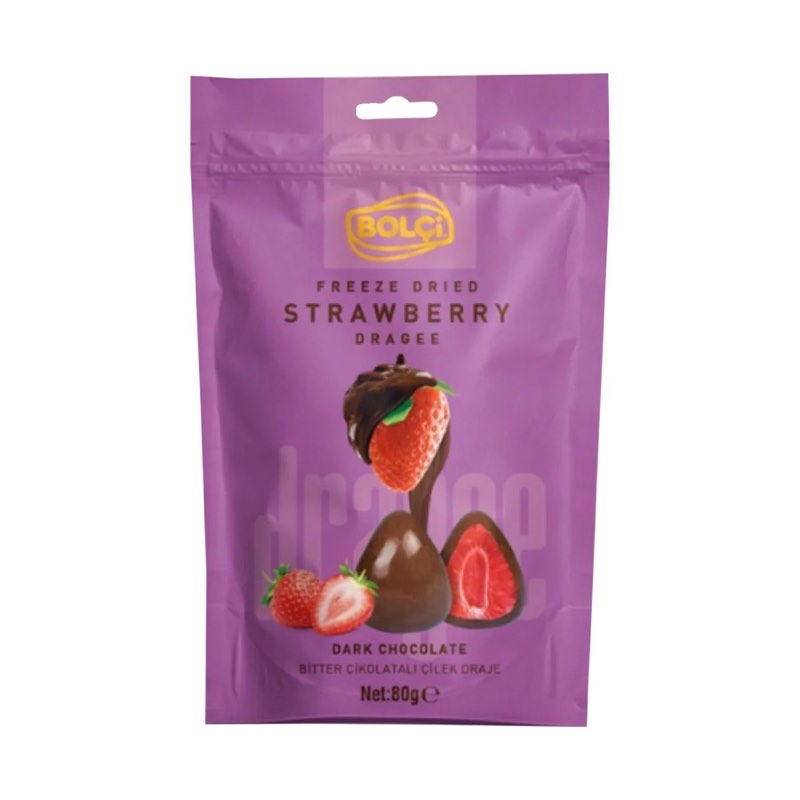
Round it out with the crunch and the savoury, both of which sit on the same shelf as this bag. Candy Pop Butterfinger Popcorn 113g at £4.49 covers the sweet crunch. Doughbrik's Extra Cheesy Wavers Crisps 126g at £4.99 covers savoury, and the late-night pizza version of the same crisps at the same price is the alternative if cheese is not the direction. Add something rich and small — Bolci Freeze Dried Dark Chocolate Strawberry 80g at £4.49 is the grown-up element — and you have a table with four distinct registers on it for under twenty pounds.
As the individual item in a party bag. One sealed bag per child, plus loose sweets by weight, is the standard shape of a good party bag, and the sealed item is what makes the bag feel like it contains a present rather than a handful. If you are doing this for more than about eight children, price it out first — eight bags is £22.32, and you may prefer to use a cheaper sealed line and spend the difference on the loose element.
What not to do: do not tip these into a communal bowl with other loose sweets. The sourness sits on the surface and it transfers. Within a day, everything in that bowl will have picked up a faint sharpness, which is a shame if the other things in the bowl were chosen for being mild. Keep sour lines in their own dish, or in their bag.
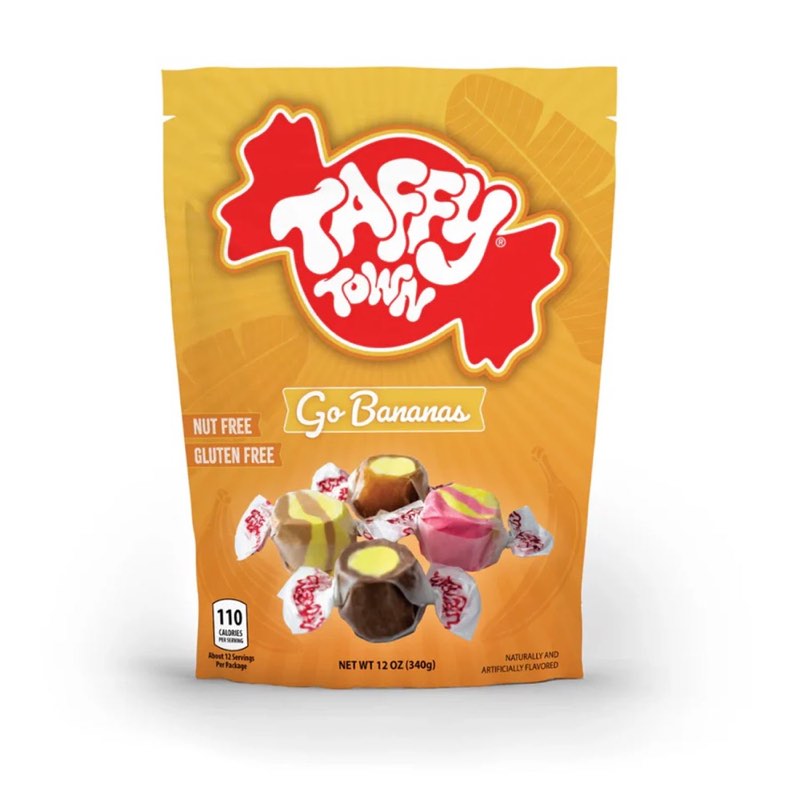
If you want the sour element in bulk rather than in a bag, Taffy Town Sassy Taffy Sour 99g at £2.99 is the nearest step up in size at £3.02 per 100g, and the same maker's larger formats — Taffy Town Sassy Taffy 340g and Taffy Town Go Bananas 340g, both £7.49 — take you up to 340g at £2.20 per 100g, which is less than half this bag's rate.
Occasions for a single small bag
The cinema. This is what a 60g sealed bag is for. It is quiet to open once and then silent, which is more than can be said for a rigid box.
Journeys. Long car trips, trains, flights. A defined portion that ends is better on a journey than a tub that does not, and a sharp sweet is genuinely useful when everybody has been sitting still for three hours and is getting dull.
Lunchboxes and after-school. One bag, one day, no negotiation about how much.
Party bags and prize tables. The sealed, named item that makes the bag look considered.
Small gifts and stocking fillers. Three or four different small bags tied together is a better-judged present than one large bag of one thing, because variety is the gift. Mix registers — one sour, one fizzy, one mild — rather than three sour ones.
The dare. If there are children in the house of the age where daring each other to eat something is a recognised form of entertainment, a mid-intensity sour chew is the right level: enough of an event to be worth doing, not so fierce that anybody is actually unhappy.
Keeping them right
Sour chews are more fragile than they look, and the thing that degrades is the part you bought them for.
Keep the bag sealed. The sourness lives on the surface, and the surface is what is exposed to air. An open bag left on a desk for two days loses a noticeable amount of its edge, and what you are left with is a pleasant but unremarkable soft chew. If you are not finishing the bag, fold the top over hard and clip it, or tip the remainder into a small sealed pot.
Keep them dry. Moisture is the real enemy. A damp atmosphere — a kitchen while something is boiling, a bathroom shelf, a bag left in a coat pocket in the rain — will dissolve the surface finish, and the sweets go tacky and stick together. Once that has happened it does not reverse.
Keep them cool and out of the sun. Warmth makes chews soft and encourages them to fuse into a lump. They are still perfectly edible in that state, but you will be tearing pieces off a block rather than eating individual sweets.
Do not refrigerate. Cold makes a chew hard and unpleasant to bite, and the condensation when it comes back out is exactly the moisture problem described above. A cupboard is right; a fridge is not.
Check the packaging on arrival. The date is printed on the bag, and so is the manufacturer's own information about what is in it — which is where anyone with an allergy should be looking, rather than at a shop page. We do not publish ingredient or allergen detail here. Sweets are a treat rather than food, and small sweets eaten by young children are worth supervising.
One size, and the sensible alternatives
This comes in a single size — 60g at £2.79 — so there is no variant decision to make on this page. The real decision is whether 60g is the right format at all, and there are three honest answers depending on what you are doing.
If you want one portion for one person: this is correct. Buy it, enjoy it, do not think about the rate per gram.
If you want a proper quantity of sour chews: buy the 120g theatre box at £2.25 instead. It is more sweets for less money. We would rather you came back than felt caught out.
If you want to fill a bowl for a group: buy a loose sour line by weight, and use bags like this one only as the individual item you hand to specific people.
Buying two or three of these bags to make up a quantity is the one thing we would steer you away from. At £4.65 per 100g it is the most expensive way on this shelf to arrive at 180 grams of sweets.
Finding it, and finding its neighbours
This bag sits on two shelves. It is on our 3D brand page with the other 21 lines we stock under that label — a mixed shelf that runs from sweets to crisps to popcorn, and a good one to browse if you are assembling a snack table rather than shopping for confectionery alone. And it is on the sour shelf mentioned above, which is where to go if intensity rather than brand is what you are choosing on.
Beyond that, jelly and gummy is the neighbouring texture category and the place to look for the softer, non-sour versions of similar shapes. Retro covers the older British formats, which is a different tradition altogether and worth a look if these feel too modern. Kingsway and Sweetzone are the two brand pages to browse for bulk tubs of sour and fizzy lines, since that is where the per-gram value lives. Haribo's range covers the broadest, most universally accepted shapes for a mixed crowd. And the full listing is there if you would rather scroll the lot.
Questions people actually ask
How sour are they, really?
Middling, and deliberately so. There is a definite sharp moment on the first one that will get a reaction out of a child, but it fades within a few seconds into a mild, sweet chew, and most people can eat a whole 60g bag comfortably. They are not a challenge sweet. If you want something that genuinely tests you, the hard sour lines on our sour shelf go considerably further; if you want a gentle lift, these will be sharper than you expect.
Why is a 60g bag £2.79 when I can get 100g for less?
Because you are buying a single-serve sealed portion of a specific named line rather than buying weight. It is a fair question and the honest answer is that the rate per gram here is high — £4.65 per 100g. If quantity is what you want, the 120g sour theatre box at £2.25 is better value by a wide margin and we would rather point you at it than pretend otherwise.
How many sweets are in a bag?
We sell it by weight and do not count the pieces, and we will not guess, because piece counts vary between batches. Sixty grams is a single generous portion for one person — the sort of amount that lasts a film or a train journey, not the sort that fills a bowl. If you need to plan numbers for an event, plan one bag per person.
Are they suitable for young children?
Sweets are a treat rather than food, and small sweets eaten by young children should be supervised. Beyond that we will not make claims. Practically, the sourness is the thing to think about: a small child meeting a sour sweet for the first time will react, and giving one rather than a handful is the sensible way to find out how they take it. Anyone with an allergy should read the manufacturer's packaging that arrives with the bag.
Do they lose their sourness?
An open bag does, yes. The sour part is on the surface, and air and moisture take it off over a couple of days. Keep the bag sealed and stored dry and cool and it will hold its edge for as long as the date on the packaging allows. An open bag left out is still pleasant to eat, but it will have become a mild sweet chew rather than a sour one.
Can I mix them into a bowl with other sweets?
You can, but we would not. The surface sourness transfers, so within a day everything in that bowl tastes faintly sharp. If the other sweets were chosen for being mild, you have undone that choice. Serve sour lines in their own dish, or leave them in the bag and let people take one.
What is the difference between sour and fizzy?
Sour is a taste — the pucker, the watering mouth, the sensation at the back of the jaw. Fizzy is a physical sensation on the tongue, a prickle or crackle, which can happen with very little sourness at all. Plenty of shoppers buy a fizzy line wanting sour, or the reverse, and are mildly disappointed. If it is the tingle somebody enjoys rather than the sharpness, choose a fizzy line instead.
Are they chewy or soft?
Chewy, which is the point. A chew keeps the sweet in your mouth long enough for the sourness to fade and the mild flavour underneath to come through — the arc that makes the format work. A sour gummy disappears too fast for that second half to happen. If you prefer a softer, quicker sweet, a jelly line will suit you better than this one.
What should I put with them on a film night?
Something salty and something crunchy, so the table has more than one register on it. Sweet popcorn and a savoury crisp both sit on the same brand shelf as these, which makes for an easy single order, and a small rich item finishes it off. One sharp thing in four is the right proportion — sourness works best as a punctuation mark rather than as the whole sentence.
Will they survive being posted in summer?
Generally yes. Chews soften in heat and can settle together inside the bag, which is cosmetic rather than a problem — leave the bag somewhere cool and flat for a few hours and they firm up and separate. What genuinely damages them is damp rather than heat, so the thing to avoid is a parcel left out in the rain.
Is there a bigger bag of the same thing?
Not of this line — it is one size only. For more weight in the same broad territory, the taffy formats at 340g for £7.49 take you to £2.20 per 100g, and the sour theatre box at 120g is the cheapest sour chew per gram in this comparison. Buying multiple 60g bags to make up a quantity is the one route we would not recommend.
Worth knowing before you add it
Sixty grams for £2.79 of a small, multicoloured sour chew that hits hard for two seconds and then turns mild and friendly for the rest of the mouthful. The format is a single portion and the price reflects that rather than reflecting weight — at £4.65 per 100g it is a treat rate, not a bulk rate, and if you want quantity there are better buys a few lines away. Keep the bag sealed so the surface keeps its edge, keep it out of a shared bowl so it does not sharpen everything else, and buy one to find out whether you like it before you commit to anything larger.
More from 3D
More sour sweets
Where this sits
Sour Patch Kids Chews 60g appears on these shelves. Browse them, or jump to something nearby.
You might also like