Home / Loose Sweets / Hubba Bubba Mega Long Strawberry Bubblegum 56g
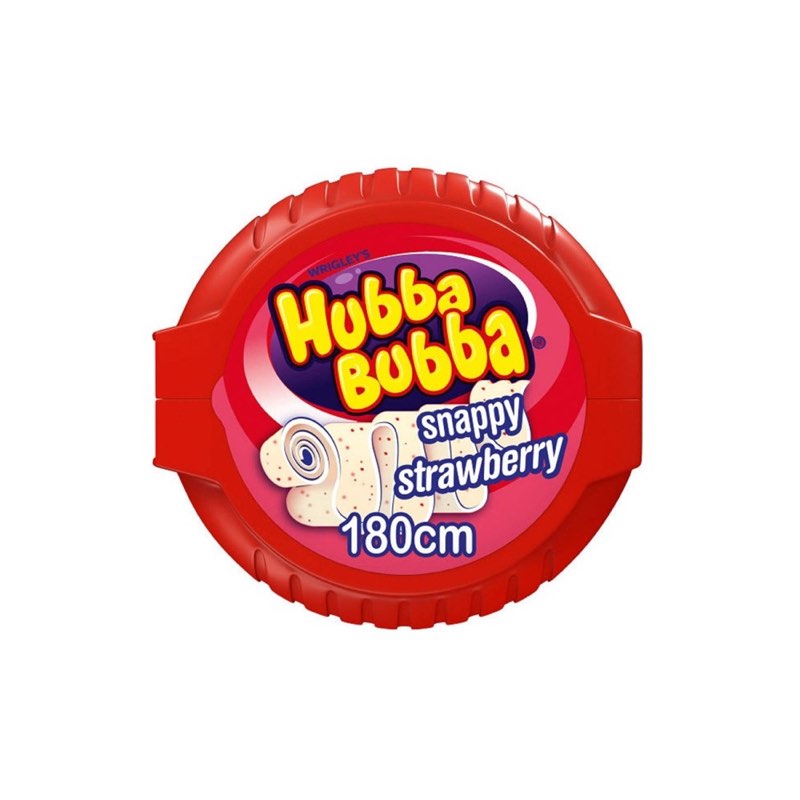
Hubba Bubba · 56g
Read the full guide
Hubba Bubba Mega Long Strawberry Bubblegum 56g
£1.59
✔ In stock — ready to ship
Fresh stock
Free over £20
Same-day dispatch
Secure checkout
Start with the numbers, because gum is one of the few things in a sweet shop where the price on the shelf tells you almost nothing about the value in your pocket.
The pack is 56 g for £1.59. That works out at £2.84 per 100 g, which sits in the middle of our range — cheaper per gram than most of the premium bagged lines, dearer than the big loose-weighed bags. But per-gram is the wrong measurement here and it is worth understanding why before you compare this to anything else on the shelf.
The full guide to Hubba Bubba Mega Long Strawberry Bubblegum 56g
5,963 words on how it eats, who it suits, how to serve it and what to put beside it.
What £1.59 buys, and how far it goes
Everything else in a sweet shop is consumed. You put it in, it goes away, and the gram you bought is the gram you ate. Gum is not consumed in that sense: it is used. A piece of gum occupies you for a stretch of time and then it is spat out, and the weight you bought never becomes food at all. That means the honest unit for gum is not the gram. It is the chew — one session, start to finish — and 56 g of a long strip format contains a lot of sessions.
How many depends entirely on how you cut it, which is the genuinely useful thing about the Mega Long format and the reason it exists. A conventional gum pack decides your portion for you: each piece is a piece, and if you want a bigger chew you take two. A long strip hands that decision back to you. Tear a short length and you get a modest chew that fits in the side of your mouth and lasts a while. Tear a long one and you get the fat, jaw-filling, properly ridiculous chew that this format is really for. The pack tells you the length; you decide the arithmetic.
| Portion you take | Chews from one 56 g pack | Cost per chew | What that portion is for |
|---|---|---|---|
| Small, around 4 g | 14 | 11p | A discreet chew that will not be noticed |
| Standard, around 7 g | 8 | 20p | The everyday portion |
| Generous, around 11 g | 5 | 32p | Serious bubble-blowing |
| The whole lot at once | 1 | £1.59 | A dare, and a sore jaw |
Eleven to thirty-two pence a chew is the real price of this product, and by that measure it is one of the better-value things we sell. Compare it honestly against other pocket-money items: Crazy Candy Factory Zombie Brain at £1.49 is a one-off, gone in a few minutes. Zed Candy Double Dares Jelly Beans Game 100g at £2.99 is a shared event rather than a personal supply. A 56 g strip of gum, taken in sensible portions, will last a schoolbag most of a week.
The other value dimension worth putting a number on is duration per portion. A jelly or a chew is over in one to three minutes. A boiled sweet runs ten to twenty. A portion of gum will hold flavour for a few minutes and hold texture for a good deal longer than that — you are looking at a chew that occupies you for as long as you care to keep going, which is a completely different value proposition from anything else on our shelves. Nothing else in the shop gives you twenty minutes of something to do for twenty pence.
Where it loses on value is sharing. A long strip is genuinely easy to divide — you tear off a length and hand it over, no packet-opening, no counting — so it shares better than almost any sweet in a bag. But every length you hand over is a length you do not have, and at 56 g a pack that gets passed round a bus stop will be gone in one journey. If the intention is to supply a group, buy one each rather than one for the group; at £1.59 that is a cheap round.
And a note on what it is not. This is not a way to buy 56 g of strawberry confectionery. If what you want is strawberry flavour in a quantity you can put in a bowl, Haribo Giant Strawbs at £5.49 or Vidal Strawberry Belts at the same £5.49 give you a far better weight of actual sweets for the money. Gum and sweets are not competing products even when they sit next to each other on the same shelf.
The strip in the hand
Open the pack and the first surprise is usually how much strip there is. Coiled, a long format takes up very little room; uncoiled, it is longer than people expect and there is a small theatrical pleasure in pulling it out to see. This is a format built around a reveal, and the reveal works.
The strip itself is flat and soft, with a slight powdery dryness on the surface that stops it welding to itself in the coil. It has a quiet flexibility to it — it will bend and drape rather than snap, and it will stretch a little if you pull slowly and tear cleanly if you pull fast. That is worth knowing before you take your first portion: a quick, decisive pull gives a clean tear; a slow one gives you a long thinning strand and a mess. Fingers work better than teeth for the first portion because you can see what you are doing.
The strawberry comes up as soon as it is in the mouth and before any real chewing has happened — gum releases flavour faster than anything else in confectionery because the whole surface is wet immediately and the chewing action keeps renewing it. The first thirty seconds is the loudest the flavour will ever be. It is a bright, sweet, unmistakably confectionery strawberry rather than a subtle one, which is the correct choice for a product that is going to be worked hard in the mouth for a long time.
Then comes the part that defines the whole category: the flavour fades and the chew does not. Every chewer has a personal relationship with this moment. Some people treat the fade as the end of the session and spit it out; others carry on for another quarter of an hour on texture alone, which is the traditional schoolchild approach and the reason a 56 g pack lasts so long. Neither is wrong. But knowing the fade is coming means you can plan for it, and the plan is usually to take a slightly bigger portion so there is more flavour to go round.
The chew itself starts firm and becomes soft, smooth and increasingly elastic over the first minute or two. That progression is the signature of the format. A fresh portion resists; a worked portion is pliable and warm and will do everything you ask of it. This is also the point at which it becomes capable of a bubble, which is the entire reason most people bought it.
How the stretch, the snap and the bubble actually work
Bubblegum is the most quietly sophisticated thing on a sweet-shop shelf and almost nobody thinks about why. Every other sweet in the shop is a material that is designed to fall apart in your mouth. Gum is a material designed to hold together in your mouth, under sustained mechanical load, at body temperature, for twenty minutes or more — while simultaneously giving up its flavour. Those are contradictory demands and meeting both is a real piece of engineering.
We do not publish composition for this line and will not guess at it, so let us talk about behaviour, which is what you can actually observe and what matters when you are chewing.
The first behaviour is the softening curve. A fresh portion is firm and slightly resistant. Within thirty seconds it gives; within two minutes it is soft and even. What you are feeling is the material warming to mouth temperature and being worked. This is a property shared with almost nothing else in confectionery — a jelly does not get better with chewing, it just gets smaller. Gum improves for the first two minutes and then holds. That two-minute warm-up is why experienced chewers never try to blow a bubble immediately; the material is simply not ready.
The second behaviour is elasticity. Pull a worked piece of gum slowly and it stretches, thins, and recovers when you let go. Pull it fast and it tears. That combination — flows under slow load, breaks under fast load — is the same behaviour you see in a great many soft solids, and in gum it is what makes a bubble possible. A material that only stretched would sag. A material that only snapped would tear the moment you pushed air into it. You need both, in balance, and the balance shifts as you chew.
The third behaviour is film formation. This is the one that separates bubblegum from ordinary chewing gum. To blow a bubble you have to spread a piece of gum into a thin, even membrane across the front of your mouth and then inflate it without it tearing. That requires the material to thin out uniformly rather than developing a weak spot that fails first. A gum that thins unevenly will always burst early and always in the same place. A gum built for bubbles thins evenly and gets stronger as it thins, which sounds paradoxical and is in fact exactly what makes the big ones possible.
The practical consequence is a sequence that every serious bubble-blower already knows without being told. Chew until the resistance is gone and the piece is uniform. Flatten it with the tongue against the roof of the mouth. Work it forward and thin it across the teeth. Push it through the front with the tongue to form the neck. Then blow steadily rather than hard — pressure, not force. Going too early is the single most common failure, and going too hard is the second.
The fourth behaviour is the flavour-texture split, and it is the most important one for understanding why gum feels different from sweets. In a boiled sweet, flavour and structure are the same thing: as the sugar goes, the sweet goes. In gum they are separate. The flavour leaves on its own schedule and the chew carries on regardless. That is why gum has a second half that no sweet has, and why "chewed all the flavour out of it" is a phrase that only exists in this one category.
Now compare this against the other textures on our shelves, because the contrast is what makes it clear. A chew like Barratt Black Jack Chews at £5.49 looks superficially similar — it resists, it gives, you work it — but it is dissolving the whole time, and within two minutes there is nothing left to chew. It is a short-form version of the same mouth action with an end point built in. A belt format such as strawberry belts is soft, flat and long like a gum strip, but it yields immediately and has no elasticity at all; it is designed to be eaten in a few bites, not worked. And a sherbet-centred sweet like Stockley's Sherbet Strawberries at £5.49 does the exact opposite of gum — it holds its flavour back behind a shell and releases it all at once, where gum gives everything up front and then goes quiet.
The other engineered texture worth mentioning as a contrast is fizz, because it is the one thing in a sweet shop that is even more sensitive to handling than gum. Kingsway Fizzy Dracula Teeth at £5.49 depend on a coating staying dry until the moment of eating; expose them to damp air and the effect is simply gone. Gum has the opposite problem — it is not damaged by moisture so much as by drying out, which is why the wrapping matters and why a strip left open goes stiff and refuses to work properly. Two products, opposite failure modes, same shelf.
One last engineering observation. The reason this format is a long strip rather than a stack of pieces is not just theatre. Cutting your own portion means you control the mass of material in your mouth, and the mass of material is the single biggest variable in bubble size. Too little and the film is too thin to hold; too much and you cannot spread it evenly. Somewhere around eight to twelve grams is where most people find the sweet spot, and a strip lets you find it by experiment. A fixed-piece format never lets you do that without doubling up.
Who this is for
This is a schoolbag product and a pocket product. It suits a child or teenager who wants something that lasts, costs little and can be rationed — and gum rations better than any sweet, because a strip can be torn to whatever size the moment calls for and the rest put away without any repackaging problem.
It suits anyone who wants an occupation rather than a snack. That is a real category and it is under-served: a long journey, a queue, a revision session, a walk, a shift where you want something to do with your mouth and do not want to eat. Nothing else in a sweet shop does this job. Every sweet we sell is over within twenty minutes at the outside and most are over within three.
It suits people who blow bubbles, which is an activity and not merely a side effect. There is a competitive streak in bubble-blowing that runs from primary school playgrounds upward, and a long-strip format is the correct equipment for it because you can take a big enough portion to get a proper film.
It does not suit a sweets bowl and it does not suit a party table where people are grazing. Gum requires disposal, and a room full of people chewing gum is a room that will, at some point, produce gum in inconvenient places. For any situation involving a shared bowl and a carpet, buy sweets instead — 78 strawberry lines on our strawberry shelf will cover the same flavour brief with none of the disposal problem.
On the standard practical points: sweets are a treat, and small hard sweets and whole gummies are a choking risk for young children, who should be supervised. Gum is chewed rather than eaten — it is spat out at the end rather than swallowed — and the manufacturer's own guidance on the pack is the place to look for anything more specific than that. Anyone with an allergy should check the manufacturer's packaging on arrival before eating. Our supplier lists this line as vegetarian; we pass that on exactly as given and make no further dietary claim about it.
Putting gum in a mixed bag: a builder's notes
If you build pick and mix bags — for a party, a hamper, a film night, a stall, or just because you would rather choose than be given — gum is the one component that needs thinking about differently from everything else. Here is how we would handle it.
Rule one: gum is not a filler, it is a feature. In a mixed bag, every other component is interchangeable to some degree — one jelly is broadly like another jelly, one chew is broadly like another chew. Gum is not interchangeable with anything, because it is the only item in the bag that is not swallowed. That makes it the single most noticeable thing you can put in, and it means a very small amount goes a long way. One strip in a bag is an event. Three strips in a bag is a gum bag with some sweets in it.
Rule two: put it in whole, not cut. A long strip in a mixed bag should go in as a strip, coiled or folded, not pre-portioned. Cut pieces get lost among the sweets, pick up the sugar dust off everything else, and arrive looking like a mistake. A whole strip reads as the prize item at the bottom of the bag, which is exactly what it should be.
Rule three: mind the transfer. Gum has a slightly tacky surface once the dusting has rubbed off, and in a bag that is jostled about it will pick up loose sugar, sherbet and colour from whatever it sits against. This matters more than it sounds. Put it next to something dry and firm rather than next to anything powdered — the sherbet-coated lines are the worst offenders for this, and a fizzy coating on a gum strip is a genuinely unpleasant combination that neither product deserves.
Rule four: sequence it last. If the bag is going to be eaten in an order — and most are, because people pick the best bits first — gum is the item that should be eaten at the end, not the start. Chewing gum before sweets coats the palate and flattens everything that follows. Chewing it afterwards is the natural finish. Put it at the bottom of the bag and let physics enforce the sequence.
Rule five: one flavour family per bag, or none. This strip is strawberry, and strawberry is a family with a lot of members. A bag built entirely around it — the gum, the giant strawbs, sherbet strawberries, belts — is coherent and reads as deliberate. A bag with one strawberry gum and eleven unrelated flavours reads as random. If you want the mixed-flavour approach instead, commit to it properly and put in something loud like Skittles at £6.99 that is supposed to be a scatter of flavours, rather than half-committing.
Rule six: balance the textures deliberately. A well-built bag has a soft item, a chewy item, a hard item and something with an unusual mouthfeel. Gum covers the long-chew slot completely, which frees you to skip the chews entirely and use that space for something else. BUBS Wild Strawberry & Pomegranate Ovals at £7.50 bring a different structure again and sit in the same flavour world, so they are a natural partner rather than a competitor.
Rule seven: think about who unpacks the bag. For a children's party bag, gum is a parental decision rather than a neutral one, and plenty of households would rather it was not in there. For a teenager's bag it is the best thing you can include. For an adult hamper it reads as nostalgic and slightly funny, which is a good note to hit. Know the room.
If you want to assemble any of this, the pick and mix builder is where to do it, and our loose sweets shelf at 356 lines is the raw material. The advantage of building over buying a pre-made assortment is precisely this kind of control — you can put the gum in deliberately, in the right quantity, next to the right things.
One more builder's note, on the dare bag. There is a particular kind of mixed bag built to be shared as a game rather than eaten as a snack, where the point is that nobody knows what they are getting. Gum works beautifully in that context because it is the one item that changes what happens next — everything else is eaten and forgotten, and gum sticks around. A jelly bean dare game at £2.99 is the purpose-built version of that idea, and a strip of bubblegum sits very naturally alongside it.
Strawberry, and what it does in confectionery
Strawberry is the most-used single flavour in British confectionery and the least examined. It is worth a minute.
The confectionery strawberry is not an imitation of a strawberry you would eat. It is its own flavour — sweeter, rounder, more floral and much more persistent than the fruit, and instantly recognisable to anyone who grew up here. Nobody is fooled and nobody minds, in the same way that nobody expects a cola bottle to taste like cola. It has become a flavour in its own right through a century of repetition.
What makes it so useful is that it is low in acid. Most fruit flavours in confectionery carry an acid to give them definition — that is what makes citrus read as sharp and what makes a green apple read as bright. Strawberry does not need it, which means it can be sweet without being cloying and can sit at the front of a flavour for a long time without becoming tiring. That is precisely why it is the default for gum: a flavour that has to survive several minutes of hard chewing cannot afford to be sharp, because sharp gets wearing very quickly.
It is also the most universally accepted flavour we stock. There is no strawberry equivalent of the aniseed divide. Nobody trades their strawberry away at a party. That reliability is why it turns up in every format — the long chew, the gum, the jelly, the belt, the sherbet centre — and why it is the safe choice when you are buying for someone whose preferences you do not know.
Across our shelves you can taste the same flavour family in four quite different structures, which is a genuinely interesting exercise if you have never done it. The giant strawbs give you strawberry in a firm gum format where the flavour is released slowly by chewing. A £5.49 bag of strawberry belts gives you the same flavour in a thin, soft, fast format that is gone in seconds. Sherbet strawberries hold it behind a shell and release it in a rush. And this gum gives it to you loud and early and then withdraws it while the chewing continues. Same flavour, four completely different shapes of experience, and the structure matters more than the flavour does.
For the full sweep, the strawberry flavour category gathers all 78 lines in one place, sorted by nothing except the thing they have in common.
When to reach for it
Journeys. This is the classic use and it is classic for a reason. A long car journey, a coach, a train, a flight — gum is the only confectionery that lasts long enough to be worth opening, and a strip you can portion means you are not committed to the whole thing at once. Keep it in a pocket rather than a bag so it does not get squashed.
School. Whether gum is permitted is between you and the school, but the format is clearly built for a blazer pocket: flat, light, resealable in the practical sense that the remaining strip goes back in the pack, and it lasts all week.
Bubble competitions. A genuine occasion and one the format is specifically good at. If you are running one — a birthday party, a wet afternoon, a school fête sideshow — buy a pack per competitor rather than sharing, because everyone needs enough material to get a proper film, and hand out a few minutes of chewing time before anyone attempts anything.
Party bags for older children. One strip per bag, in whole, at the bottom. It costs £1.59 and it will be the first thing mentioned.
Retro hampers and nostalgia gifts. Long-strip bubblegum is an instantly recognisable object for anyone who was a child in the last few decades, and it works well as the one non-serious item in an otherwise sensible hamper. Pair it with something from the traditional end — Briquette at £5.49 is a good contrast, being firmly on the grown-up side of the shelf — and the mix of registers is part of the gift.
Not for the film-night bowl. Worth saying plainly. Gum belongs to one person at a time and needs somewhere to go afterwards. A bowl on a coffee table is the wrong home for it.
Keeping it in usable condition
Gum's enemy is not heat or damp, which is what everything else in a sweet shop worries about. Gum's enemy is air.
Left unwrapped, a strip dries from the outside in. The surface goes stiff and slightly leathery, and the first minute of chewing — the softening curve described above — gets longer and less pleasant until eventually the material never quite comes right. A dried strip will still work; it will just never be as good, and it will not blow a decent bubble. So the single rule that matters is: put the remainder back in the pack every time, and fold the pack over.
Heat is a secondary consideration and a mild one. A warm strip is softer and stickier and harder to tear cleanly, and a coil left in a hot car will fuse to itself. That is an inconvenience rather than a ruin — it will separate again once cool. Pockets are warm; that is fine for the length you are about to chew and less ideal for storage over days.
Cold is more interesting and occasionally useful. A cold strip is stiff and tears very cleanly, which makes it easier to portion accurately. It also needs a longer warm-up in the mouth. If you are cutting exact lengths for a bubble competition, ten minutes in a cold place first genuinely helps.
Squashing is the practical everyday risk. A flat pack at the bottom of a school bag under a laptop will come out as a compressed block, and a coil that has been pressed flat is much harder to separate into a clean length. A side pocket beats the main compartment.
And then there is disposal, which is a storage question at the other end of the process. Gum needs to go in a bin, wrapped in something, and a strip format means there is always a bit of pack to wrap it in. Teaching that alongside the first pack saves a great deal of aggravation later, and it is the one piece of etiquette this product genuinely requires.
Sizes, and the alternatives if this is not quite it
This line is listed in a single size only — 56 g at £1.59 — so there is no size decision to make and no multipack on our shelves. If you want more, you buy more packs; at £1.59 that is a straightforward calculation rather than a value judgement.
The decisions worth making are about format instead.
- If you want the long chew but in sweet form — something you actually eat rather than spit out — a firm gum sweet is the nearest thing, and the giant strawbs do that job at £5.49.
- If you want the strip shape but eatable, belts are the answer. Same long, flat, tearable geometry, completely different behaviour, £5.49.
- If you want strawberry in a premium format, the BUBS ovals at £7.50 are the top of that shelf and a genuinely different class of sweet.
- If you want something loud and mixed rather than single-flavour, a £6.99 bag of Skittles is the obvious scatter-of-flavours option.
- If you want the cheapest possible novelty at around this price, the £1.49 zombie brain undercuts this pack by a few pence and does something completely different for the money.
- If you want a grown-up chew with real character, the aniseed chew at £5.49 is the other direction entirely and worth trying if you have only ever chewed fruit flavours.
Where to find it, and what is next to it
This pack is filed on three of our shelves. It is in loose sweets sold by weight, our largest category at 356 lines and the general home for bagged and weighed confectionery. It is under strawberry, which runs to 78 lines across every texture we carry. And it appears on the vegetarian shelf, which collects the 69 lines our supplier has tagged that way — including this one.
That last shelf deserves a word of explanation, because dietary shelves are easy to misread. Lines our supplier has tagged vegetarian are exactly that: lines carrying a supplier tag, which we pass through unchanged. We do not extend a tag, upgrade it, or infer one that is not there. If a line has no tag, that means we have no tag, not that the answer is no. The manufacturer's packaging remains the authority in every case.
The same applies to our gluten free shelf, which is a separate list built the same way from supplier tags. It is a useful shelf to know about if you are shopping to a requirement, and the sensible way to use it is as a starting point for a shortlist rather than as a final answer — check the pack when the order lands.
For general browsing, build your own bag is the right route if you are assembling rather than buying single items, and the candy and chocolate shelf covers the chocolate side of the shop, which is where most party tables end up needing something. If you already know what you are after, everything we stock, in one list is faster than going shelf by shelf, and when you are filling a basket rather than hunting one product it is usually quickest to browse the whole shop in a single pass.
Questions people ask before buying gum
How long is the strip?
The length is printed on the pack and we would rather point you at that than quote a figure we cannot verify. What we can tell you is the weight — 56 g — and that is the number that actually determines how many chews you get. At a standard seven-gram portion that is eight sessions from one pack, which works out at around 20p a chew. Take smaller portions and you get more; take the whole thing at once and you get one very memorable one.
Does the flavour last?
The strawberry is at its loudest in the first thirty seconds and fades over the following few minutes, which is the normal behaviour for gum in every brand and format. That is not the end of the product, though — the chew carries on long after the flavour has gone, and most people keep going well past the fade. If you want more flavour for longer, take a bigger portion; there is simply more of it to give up.
Is it good for blowing bubbles?
It is a bubblegum in a long-strip format, which means you control how much material you put in your mouth, and material quantity is the main variable in bubble size. The technique matters as much as the product: chew until the resistance is gone and the piece is completely uniform, flatten it with your tongue, thin it across your front teeth, and blow steadily rather than hard. Attempting it in the first minute is the usual reason bubbles fail.
Is it suitable for vegetarians?
Our supplier lists this line as vegetarian, and that is exactly how we pass it on — as a supplier tag rather than as a claim of our own. We do not extend it any further than that, so we will not tell you it is vegan or make any other dietary statement about it. When the pack arrives, the manufacturer's own packaging is the place to confirm anything you need to be certain about.
Can young children have it?
Sweets are a treat rather than everyday food, and small hard sweets and whole gummies are a choking risk for young children, who should be supervised while eating them. Gum is different from a sweet in that it is chewed and then spat out rather than swallowed, so it needs a child old enough to understand and follow that. The manufacturer's guidance on the pack is the place to look for anything more specific, and it is worth reading before handing a first pack over.
What about allergies?
Check the manufacturer's packaging on arrival, before anyone chews anything. The pack carries the manufacturer's own information and that is the source to work from — we do not hold verified ingredient data for this line and will not guess at it. If you are buying for someone else, particularly for a party bag, that check is worth doing when the order lands rather than on the day.
How do I store the bit I have not used?
Back in the pack, every time, with the pack folded shut. Gum dries out when it is left exposed to air, and a dried strip is stiff, slow to soften and much worse at holding a bubble. Keep it out of the main compartment of a bag where it will get squashed, and out of a hot car, where a coil will fuse to itself. Done properly a pack will stay in good condition for as long as it takes you to work through it.
Should I put it in a party bag?
For older children, yes — put a whole strip in rather than cut pieces, and put it at the bottom so it reads as the prize item. For younger children it is a decision to make deliberately, because plenty of households would rather gum was not included and disposal is a real consideration at a party. If in doubt, use sweets for the bags and keep the gum for the older siblings.
How does it compare on value with a bag of sweets?
Differently, rather than better or worse. At £2.84 per 100 g it is mid-range on paper, but gum is used rather than eaten, so the honest unit is the chew — 11p to 32p depending on portion size, for a session that can run twenty minutes or more. Nothing else in the shop gives you that duration at that price. What it will not do is fill a bowl or feed a room, and for that a £5.49 bag of anything is a much better buy.
Can I share a pack around?
Easily — a strip tears to any length and hands over without any packet-opening — but be realistic about how far 56 g goes. A pack passed round four people is a pack that is finished in one sitting. If you are supplying a group, one each at £1.59 is the sensible approach, and it also means everyone gets enough material to blow a proper bubble rather than a token one.
Does it go in a pick and mix bag?
It can and it works well, with three caveats. Put it in whole rather than cut up, keep it away from anything sherbet-coated or powdered because the surface picks up dust from its neighbours, and treat it as a feature rather than a filler — one strip in a bag is a highlight, three is a gum bag with some sweets in it. Put it at the bottom so it gets eaten last, after the sweets rather than before them.
Is there a bigger pack or a multipack?
No. This is listed in one size, 56 g at £1.59, and there is no larger format or multipack on our shelves. If you need several, buy several — the price point makes that an easy decision. And if what you actually want is more strawberry confectionery rather than more gum specifically, the strawberry shelf will serve you far better by weight.
To sum up
Hubba Bubba Mega Long Strawberry Bubblegum is a 56 g strip of strawberry bubblegum, one size, £1.59, in stock. Our supplier lists it as vegetarian. On price per gram it looks ordinary; on price per chew — 11p to 32p depending on how much you tear off — it is one of the better-value things we sell, because it is the only product in the shop that gives you twenty minutes of occupation rather than three minutes of eating.
Take a portion big enough to be worth chewing, give it two minutes to soften before you attempt anything ambitious, put the rest back in the pack so it does not dry out, and wrap it in something when you are done. If you are building a mixed bag, put one strip in whole, at the bottom, away from anything powdered. And if what you actually want is strawberry sweets rather than strawberry gum, the strawberry shelf is two clicks away and will serve you far better by the bowl.
More strawberry sweets
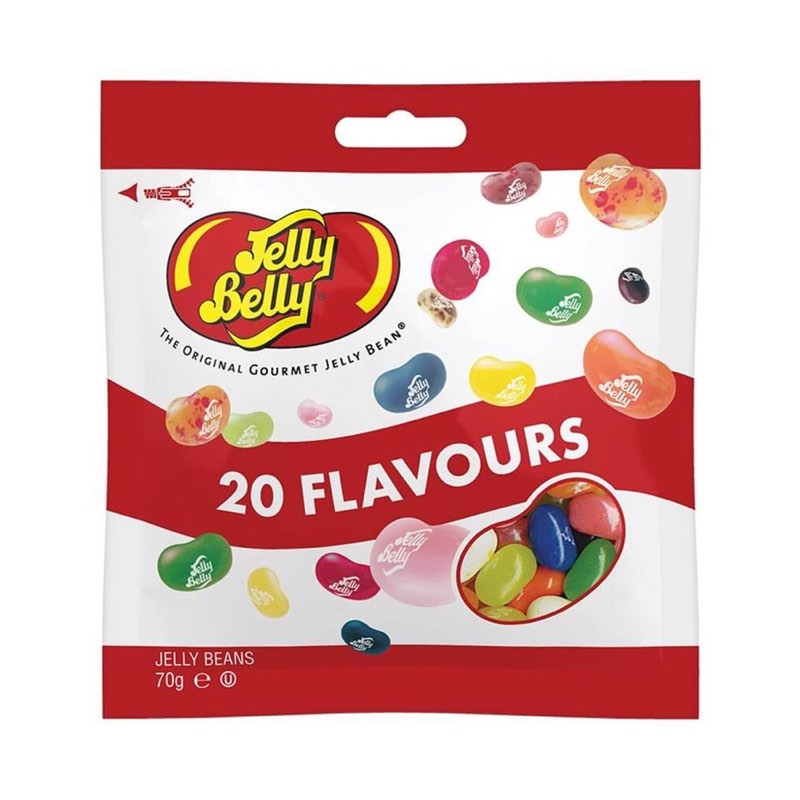
More loose sweets sweets
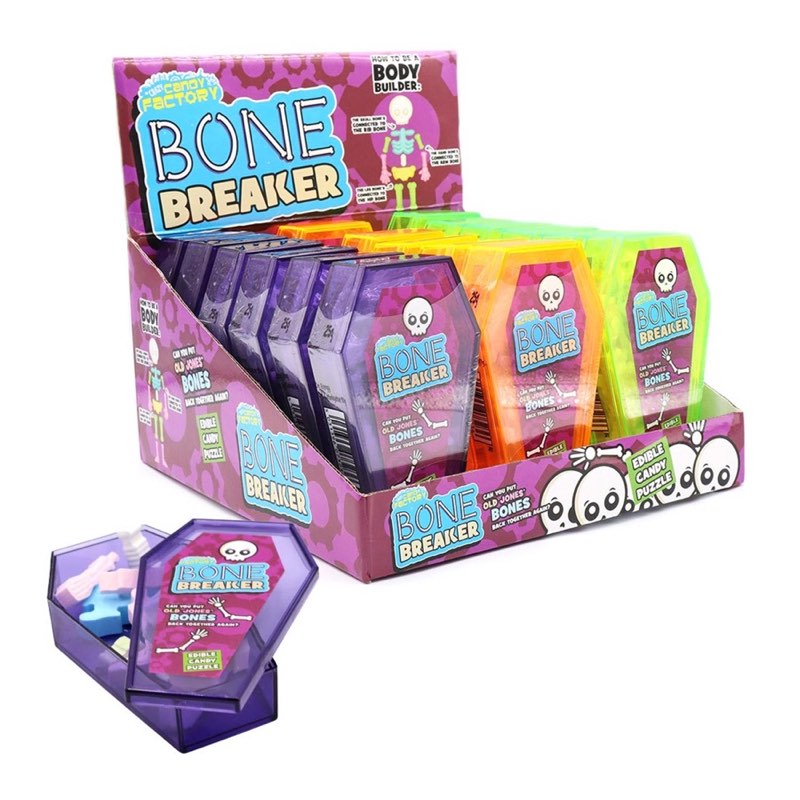
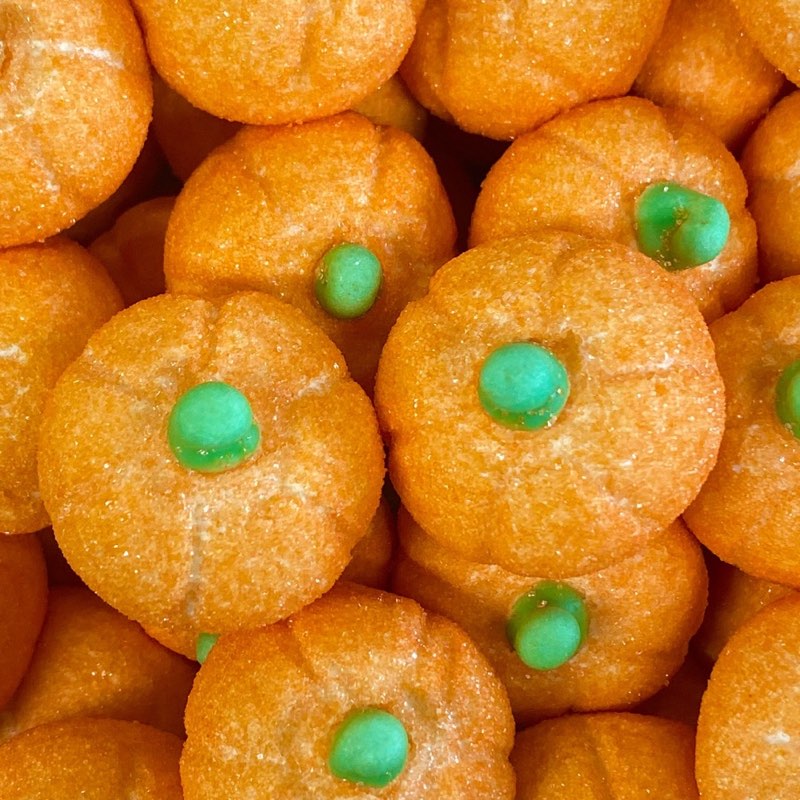


More vegetarian sweets
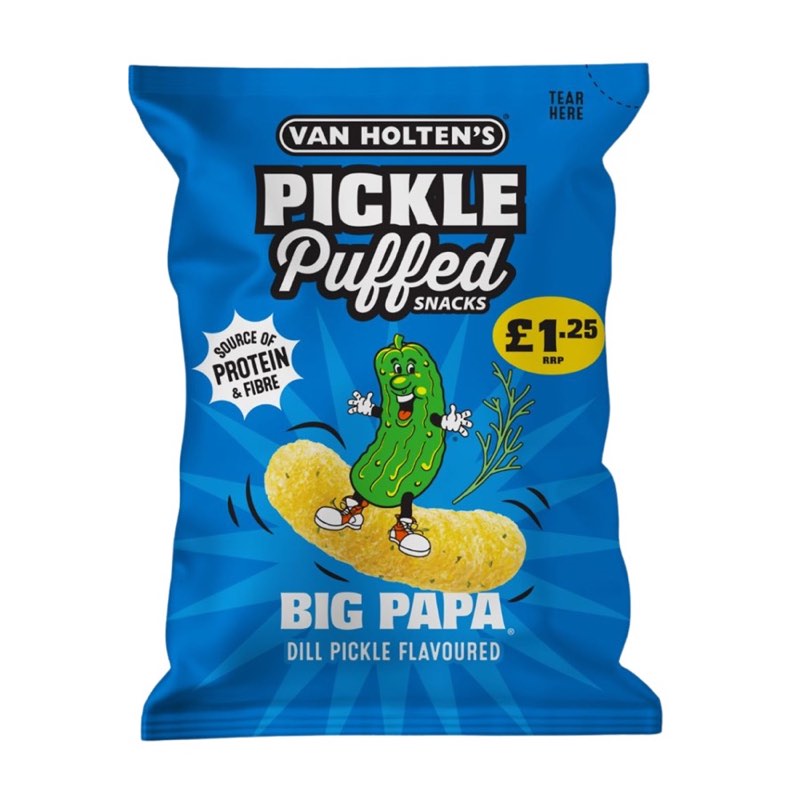
Where this sits
Hubba Bubba Mega Long Strawberry Bubblegum 56g appears on these shelves. Browse them, or jump to something nearby.
You might also like