Home / Candy & Chocolate / Warheads Lil Worms Theatre Box
Warheads
Read the full guide
Warheads Lil Worms Theatre Box
£2.20
✔ In stock — ready to ship
Fresh stock
Free over £20
Same-day dispatch
Secure checkout
There is a particular kind of sweet shopper who walks past the chocolate, walks past the fudge, walks past everything soft and creamy and comforting, and goes straight to the sharp end of the shelf. If that is you, the Warheads Lil Worms Theatre Box at £2.20 is aimed squarely at your corner of the counter. It is not a gentle sweet and it does not pretend to be. It is a Warheads product in a theatre box, and both halves of that description tell you something useful before you have even opened it.
The first group it suits is the teenager, or the adult who eats sweets like a teenager and sees no reason to apologise for it. Sour sweets are one of the few treats that still deliver a genuine physical event — a reaction you can see on someone's face from across a room. That is the appeal. There is a dare built into it. You are not eating this quietly at your desk hoping nobody notices; you are eating it because the eating of it is the point.
The full guide to Warheads Lil Worms Theatre Box
6,321 words on how it eats, who it suits, how to serve it and what to put beside it.
Who this box is really for
The second group is the party host who needs a bowl that people remember. Every sweet table has a polite middle — things that are pleasant and go in even numbers and never cause a fuss. This is not that. This is the bowl that gets talked about, that people go back to, that provokes a bit of competitive nonsense about who can manage the most. If you have ever laid out a spread and watched nine bowls stay half-full while one is scraped bare, you already understand the role this plays.
The third group is the parent buying for a film night or a school-holiday afternoon and wanting a single self-contained unit rather than a big bag to be rationed. One box, one child, one evening. It is a tidy way to buy. Nobody argues about who got more, because everyone got a box.
The fourth group, and the one we quietly see the most of, is the shopper building a bigger order who wants one item on it that is a bit of a jolt. You fill the basket with the sensible things and then you add one box of worms because the basket was starting to look too well behaved. That is a perfectly good reason to buy sweets, and we are not going to talk you out of it.
Who is it not for? Anyone who wants a slow, mellow, sit-with-a-cup-of-tea sweet. If that is the brief, you are better off on the Candy & Chocolate shelf looking at something like Milk Duds at £2.99, which is a completely different proposition — a quiet, rolling, one-at-a-time sweet rather than an event. There is no shame in either choice. They are simply different jobs.
What arrives, and the first look at it
You get a theatre box. That is the format, and it matters more than people assume. A theatre box is a rectangular carton, taller than it is wide, designed to be held in one hand in the dark and tipped. It is not a bag. It does not need to be rolled shut, it does not spill sideways when you knock it, and it stands up on a table without help. That last point is the one that party hosts notice: a box holds its own shape in a row of other boxes, which is why theatre boxes make such neat table furniture.
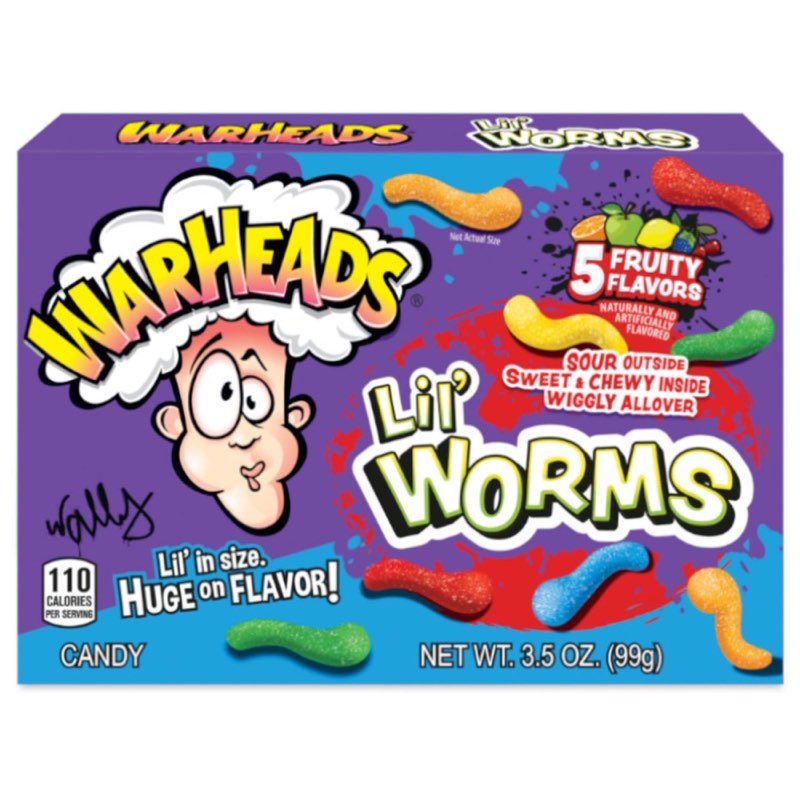
The name tells you the shape inside: worms. Long, soft, ribbed shapes, the kind that hang over the edge of your fingers when you pick one up. "Lil" is doing some work in the name too — these are the small format rather than the giant novelty worms you sometimes see sold singly. Small worms behave differently in a bowl. They interlock, they scoop well, and they let people take three or four at a time without feeling like they have taken a proper handful, which is exactly what you want when a bowl has to last an evening.
A word on what we are not going to tell you. The supplier data we hold for this line does not carry a flavour breakdown, a colour list, a declared weight or a sweet-type classification, so you will not find any of those stated on this page. We would rather leave a gap than fill it with a guess. What we can tell you is what is on the pack we hold: the product name, the brand, the price of £2.20, that it comes in one size only, and that it is in stock. Everything else on this page is about how sweets of this kind eat and how to use them well, and we have flagged clearly where that is general knowledge rather than a claim about this specific box.
If you want the specifics — the flavour list, the full declaration, anything you need for a dietary reason — read the manufacturer's own packaging when the box arrives. That is the authoritative source for this product, not us, and we will always send you there rather than invent a detail.
How it eats
The experience of a sour worm has a shape to it, and the shape is the whole pleasure. It arrives in three movements.
The first movement is the surface. Whatever sits on the outside of a sour sweet hits before you have properly closed your mouth — that is the part that makes people's eyes go wide, and it is the shortest phase of the three. It is loud and it is over quickly. If you have handed one to somebody who has never had a sour sweet, this is the moment they either laugh or panic. Warn them, or don't; that is between you and your conscience.
The second movement is the chew. Once the surface has done its work, the body of the sweet takes over, and a worm is built for chewing rather than dissolving. There is a stretch to it and a slight resistance, and the flavour that was hiding under the sharpness starts to come forward. This is the longest part and it is where the actual fruit character of the sweet lives. People who say they "don't taste anything but sour" usually haven't got this far, because they've swallowed too early.
The third movement is the fade. Sour sweets have a long, clean finish — the sharpness pulls back, the sweetness rounds out, and you are left with a lingering fruit note and a slightly tingly tongue. The tingle is the reason people eat these in runs rather than singly. One resets your palate; three in a row builds something.
Worth knowing: sour sweets reset your taste for everything else. If you are laying out a table, do not put these next to something delicate. Anything subtle placed downstream of a sour bowl will taste of nothing for a few minutes. Put them at the end of a run, not the beginning. Put the mellow things — Junior Mints at £2.59, say, or a bowl of Aniseed Balls Sweet Jar at £16.99 for a table that needs a proper centrepiece jar — well away from them, or serve them first.
Temperature changes it too. Straight from a cold hall cupboard, a worm is firmer and the chew takes longer, which stretches the second movement and mutes the first. Somewhere warm, the chew softens and the surface hits harder and faster. Neither is better. If you like the shock, serve them warm. If you like the chew, keep them cool.
A party planner's arithmetic: how many boxes, where they go, and what runs out first
Most sweet tables fail for arithmetic reasons rather than taste reasons. People buy a nice range and then get the quantities wrong, and the result is either an embarrassing gap or a cupboard full of leftovers in January. Here is how we think about it when somebody rings up and says they have thirty people coming on Saturday.
Start with heads, not with bowls
The instinct is to count bowls — "I want six different sweets on the table" — but the number that actually matters is heads. A useful working figure for a sweets-alongside-other-food party is one small box or one modest handful per person per two hours, and for a sweets-are-the-food party, roughly double it. At £2.20 a box, thirty guests over a three-hour afternoon comes out somewhere around twenty to twenty-five boxes' worth of total sweet volume across all lines, not twenty-five boxes of this one. Sour is a component, not the whole table.
Sour should be ten to twenty per cent of the spread
This is the single most useful ratio we can give you. Sour sweets are high-impact and self-limiting: people love them and then stop, usually after four or five. If sour is more than about a fifth of what is on the table, your guests hit the wall and the table stalls. If it is under a tenth, the bowl empties in the first twenty minutes and people ask where it went. Ten to twenty per cent is the band where it is a feature rather than a problem.
What actually runs out first
In our experience of how orders come back for restocking, the order of depletion on a mixed table is fairly predictable. Sour goes first, always — it is the novelty and people want to see each other's faces. Anything chocolate goes second, because chocolate is the default hand-reach. Chewy fruit sweets go third and steadily, because they are the ones people eat while talking. Mints and aniseed go last and often survive the party entirely, which is not a criticism: they are the things adults pick up on the way out.
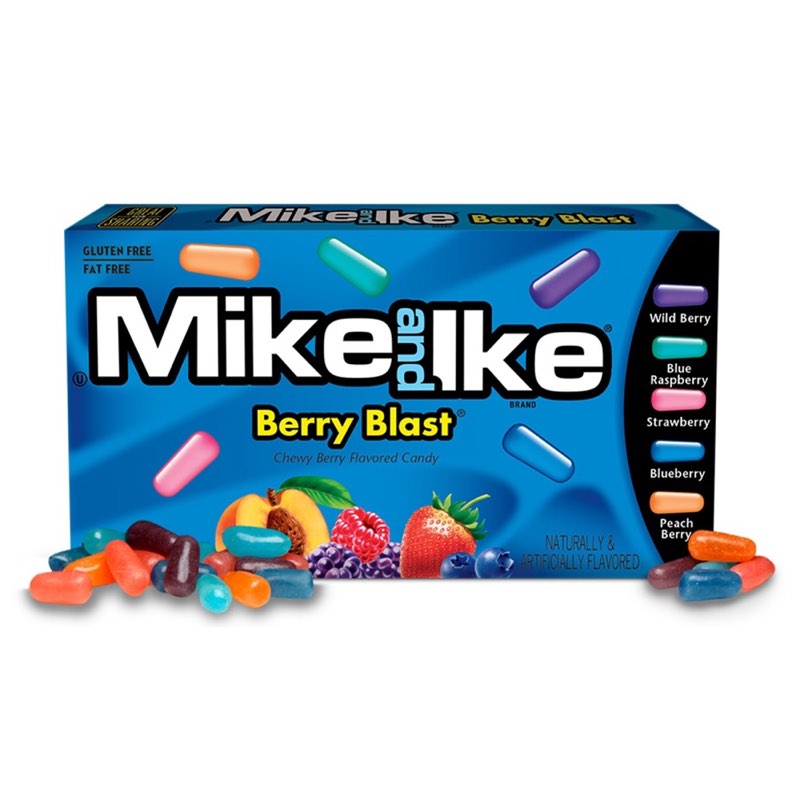
Plan for that order. Buy the sour short and expect it to vanish; buy the steady chewables deep, because they carry the middle of the event. Something like the Maoam Pinballs Bag 140g at £1.99 is a classic middle-of-the-party line — it is the cheapest thing in this cluster and a 140g bag spreads a long way across a bowl. The Mike & Ike Berry Blast Theatre Box 120g at £2.25 does a similar job in box format, so it sits neatly next to this one in a row.
Table geography
Where you put a bowl changes how fast it empties by a surprising margin. The far end of a long table gets roughly half the traffic of the near end. The bowl nearest the drinks gets hammered. The bowl behind something tall is invisible and will still be full at the end of the night.
So: put the sour worms somewhere with a bit of a walk to them. Counter-intuitive, but it works. Because people actively seek out the sour bowl, it does not need prime position — it will be found. Use prime position for the things you actually want eaten evenly. And keep a second box back in the kitchen, unopened, to top up the bowl at the two-thirds mark. A bowl that has been refilled once feels generous; a bowl that has been scraped down to crumbs feels like the party is winding up, and guests read that signal without knowing they are reading it.
Timing the refill
The refill moment is the most underrated bit of party management there is. Sweet tables have a natural energy curve: a rush in the first twenty minutes, a long plateau, and then a second rush about ninety minutes in when people have had a drink and stopped being polite. Hold something back for that second rush. If you put everything out at once, the second rush finds an exhausted table.
For a children's party the curve is different — one enormous rush and then nothing, because children do not graze, they raid. For children, put out less than you think and refill twice. You will use the same total and the table will look alive for longer.
Boxes versus bowls versus scoops
Three ways to serve, three different effects.
- Boxes left sealed, one per guest. Tidiest, fairest, best for children and for take-home bags. No sharing means no mess and no negotiation. Costs the most per head because you are buying whole units.
- Boxes tipped into bowls. Most generous-looking, best for adults, best for a table you want to photograph. You can stretch fewer boxes further because people take smaller portions from a communal bowl than from one they own.
- Loose and scooped. If you are running a proper sweet-cart set-up, the theatre boxes are the accents and the bulk comes from Loose Sweets sold by weight. Boxes give the table its skyline; loose sweets give it its volume.
Most good tables use all three. A row of standing boxes along the back, a line of bowls in front, and one or two big jars anchoring the ends. The boxes do the visual work — this is exactly why the Airheads 6 Bar Theatre Box 93.6g at £2.49 is worth having alongside, because two or three matching-format boxes standing in a row look deliberate in a way that a jumble of bags never does.
The budget conversation
Sweets are the cheapest thing on any party budget that makes a visible difference. Compare it with anything else you might spend on: a sweet table for thirty people costs less than the drinks for six of them and gets ten times the comment. Within that, the arithmetic is easy because almost everything in this part of the shop sits between £1.49 and £2.99. You are choosing on character, not on cost.
Where cost does matter is the anchor items. A jar at the top of the range is a different order of spend and should be bought as a keeper rather than a consumable — something that lives in the kitchen afterwards. The £2-ish boxes are the working stock. Buy the anchors once and the boxes every time.
How a flavour gets built: the confectioner's craft
This section is about the trade in general, not about what is inside this particular box. We do not hold a flavour specification for this line and we are not going to invent one. But the question of how a sweet comes to taste recognisably of something is genuinely interesting, and it explains a lot about why some sweets satisfy and others feel thin.
Flavour is mostly not in your mouth
The tongue handles a very short list: sweet, sour, salt, bitter, savoury. That is nearly all of it. Everything else you experience as "flavour" — the difference between apple and pear, between cherry and raspberry, between lemon and lime — arrives through the back of your nose while you chew, not through your tongue at all. Hold your nose and eat a fruit sweet and you get sweetness and sharpness and a texture, and essentially no fruit.
This is why confectioners think in two layers. There is the taste layer, which is the balance of sweet against sour, and there is the aroma layer, which is what makes it read as a specific fruit. Get the first wrong and it is unpleasant. Get the second wrong and it is merely vague — pleasant enough, but nobody can say what it is meant to be.
Why a sweet tastes of a fruit that it looks nothing like
Recognition in confectionery is a cultural code as much as a sensory one. Generations of sweet-eaters have learned that a certain bright, high, slightly floral note means "strawberry" in a sweet even though it is nothing like biting a strawberry off the plant. The sweet is not imitating the fruit; it is referring to a shared idea of the fruit. Everybody in the room has the same reference, so it works.
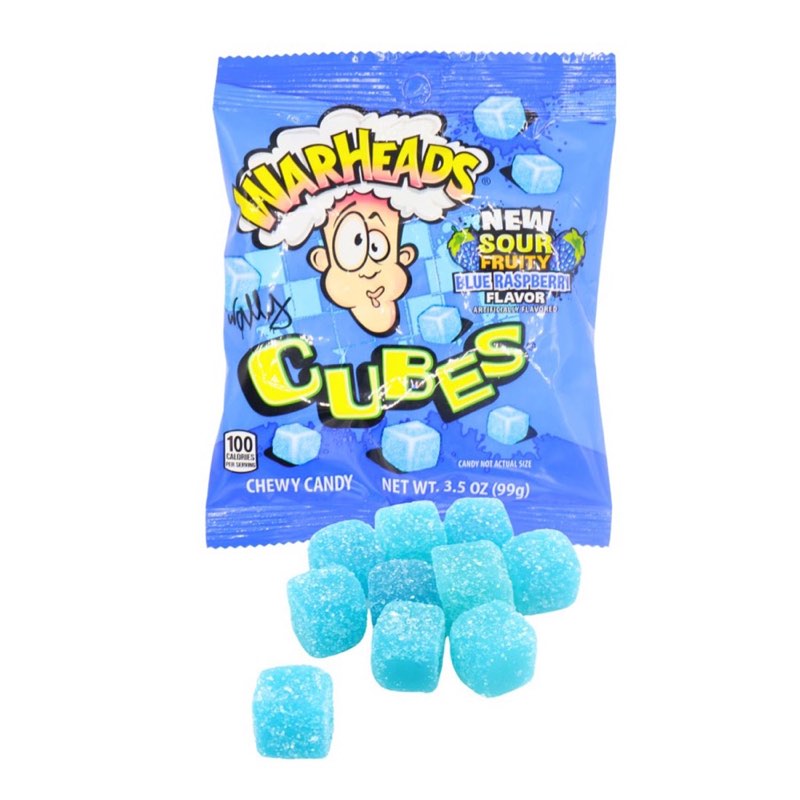
You can see this most clearly with blue raspberry, which does not exist in any hedgerow and yet is instantly identifiable to anyone who has been near a sweet shop. There is no fruit being copied. The flavour is its own thing that has been learned. The Warheads Blue Raspberry Cubes Bag 99g at £2.49 is a good illustration of the category simply naming it outright and getting on with it, and it is the closest sibling to this box if you want the same brand in a bag rather than a carton.
The arc: top, middle, tail
Perfumers talk about top notes, heart notes and base notes, and confectioners borrow the same vocabulary because the problem is the same. A sweet that gives you everything at once is boring after four seconds. A good one is built as a sequence.
The top is what hits first — usually the brightest, sharpest, most volatile part. In a sour sweet, the top is almost entirely the sourness, and it dominates so completely that nothing else can be heard underneath it. That is deliberate. You cannot hide the sour, so you use it as the opening statement.
The heart is what emerges as you chew and the top burns off. This is where the fruit lives, and it is the part that takes the most work to get right, because it has to survive being manufactured, boxed and stored for months without going flat or odd.
The tail is what is still there after you have swallowed. Cheap flavouring has almost no tail — it disappears the moment the sweet is gone. A well-made one leaves something behind for fifteen or twenty seconds, and that afterglow is most of the reason you reach for a second.
Why sourness is the hardest note to balance
Sour is unforgiving in a way that sweet is not. Under-do it and the sweet is flat and nobody notices it at all; over-do it and you have made something people try once for a laugh and never buy again. The window is narrow, and it moves depending on the format: a hard sweet that dissolves slowly can carry far more sourness than a chew, because the delivery is spread over minutes rather than seconds. A chew delivers everything in the first two bites and has nowhere to hide.
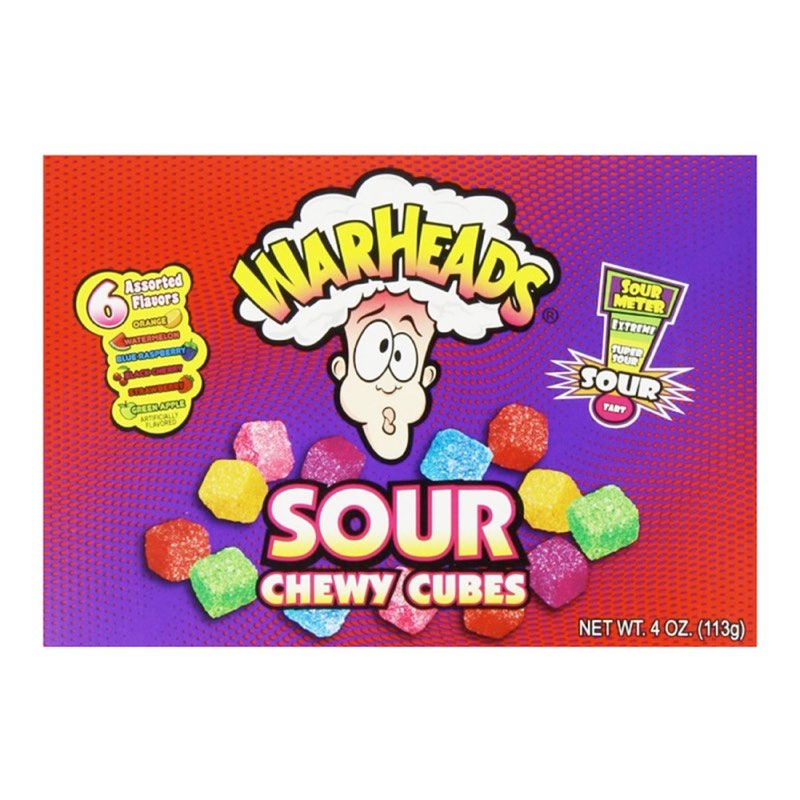
That is why a sour chew and a sour hard sweet from the same brand can feel like entirely different intensities even when they are aiming at the same place. If you want to taste the difference for yourself, the Warheads Sour Chewy Cubes at £2.49 sit in the chew camp, and having a chew and a worm side by side is a genuinely instructive ten minutes.
Sweetness as architecture
The last piece is that sweetness is not really a flavour in confectionery — it is the structure everything else is hung on. Take it away and the fruit note does not become clearer, it becomes thin and sour and slightly metallic. Add too much and the fruit is smothered. Confectioners adjust sweetness the way a cook adjusts salt: not to make the thing taste sweet, but to make everything else audible.
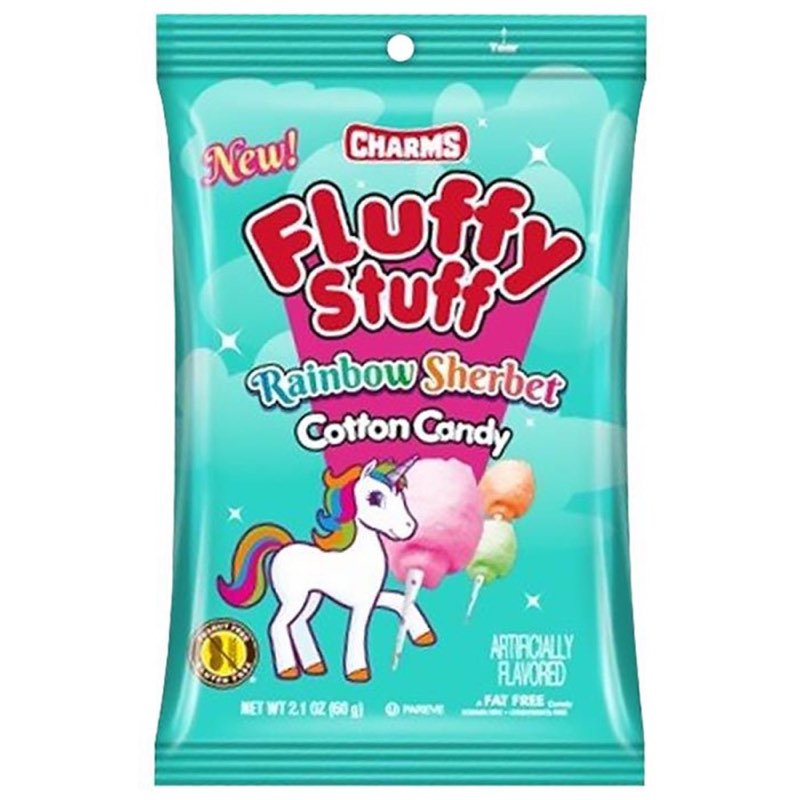
You can hear this by comparing formats across a table. A pressed-powder sweet like Nerds Grape & Strawberry at £1.49 delivers its flavour in a completely different architecture from a chew — tiny, crunchy, many-at-once, with the flavour arriving in a rush and vanishing. A spun sweet like Charms Fluffy Stuff Cotton Candy 71g at £2.49 has almost no structure at all and dissolves before your tongue has finished registering it. Same broad family, three completely different solutions to the same problem of getting a flavour into a person.
What we can and cannot say about the flavours
We would normally give you a flavour-by-flavour walkthrough at this point. For this line we cannot, because the supplier data we hold lists no flavours, no colours and no sweet-type classification for it. Rather than guess at a line-up and put words in the manufacturer's mouth, we have left it blank.
What you can reasonably infer from the pack itself: the brand is Warheads, and the other Warheads lines we stock — the chewy cubes and the blue raspberry cubes, both £2.49 — sit firmly at the sharp end of the shelf. The name on this box is consistent with that part of the range. That is an observation about the range we carry, not a rating of this product, and we are not going to put a number on how sour it is when we have no source for one.
If flavour specifics matter to you — for a dietary reason, for a child with strong preferences, for anything at all — the manufacturer's packaging is the place to look, and it will be in your hands within a few days of ordering. As with every product in the shop, customers with allergies should check that packaging on arrival before eating anything.
Building a mix around it
A single sour line on its own is a snack. A sour line in a considered mix is a spread, and building the spread is the enjoyable part. Here is how we would assemble one around this box.
The sour tier
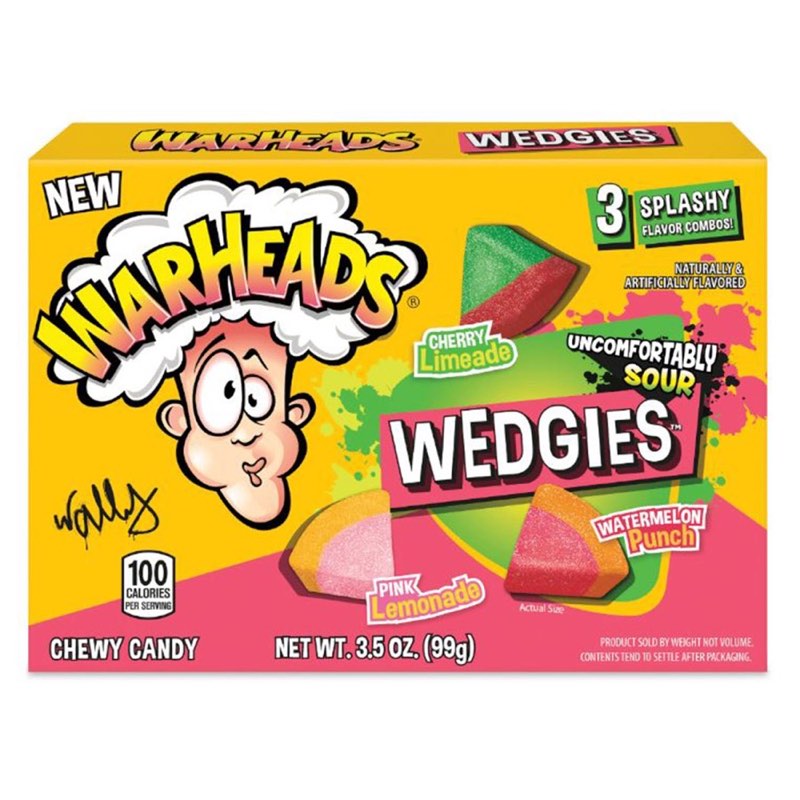
Two or three sour items maximum, and they should differ in format rather than piling up the same sensation. Worms give you a chew; the cubes give you a denser bite; the Warheads Wedgies Theatre Box (99g) at £2.59 gives you the same brand in a second theatre-box format, which means the two boxes stand side by side on a table and look like a set. If you want the brand to have a visible presence on a spread, two matching boxes do more than one box and a bag.
The chewy middle
This is the workhorse tier and it should be the biggest by volume. The £1.99 Pinballs bag is the value pick here, and the Berry Blast box at £2.25 brings a berry direction at almost the same price as this one, so the two of them together cover a lot of ground for under a fiver. Between them you have the sweets people eat continuously without thinking about it, which is exactly what a long event needs.
The crunch and the fizz
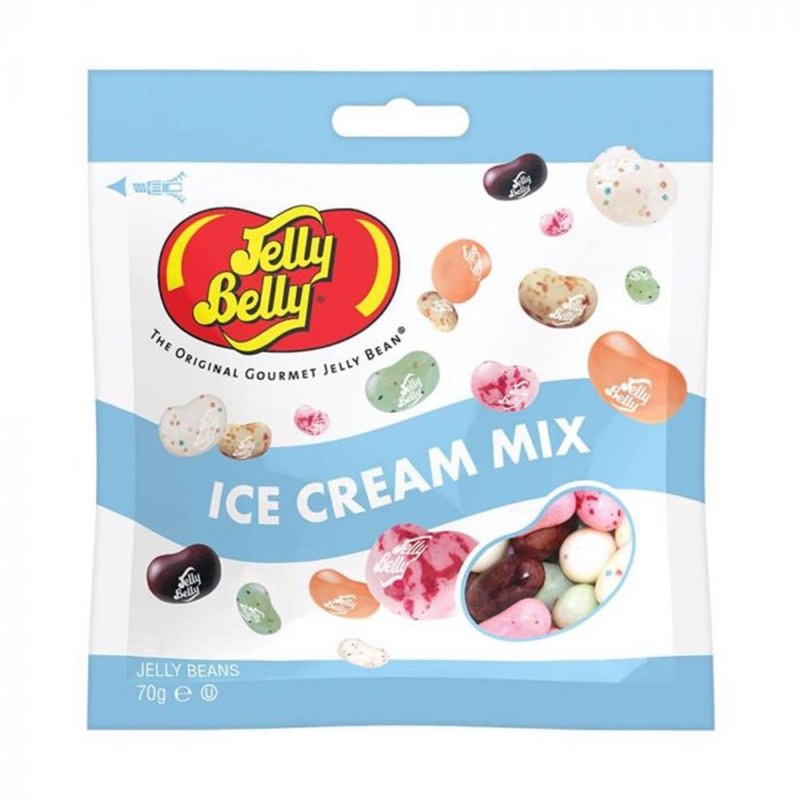
Every spread wants one thing that is loud in the hand. Jelly Belly American Classics Jelly Beans Bag 70g at £2.40 brings a bean format and a multi-flavour scatter, which is useful because beans are the one sweet people genuinely sort through and discuss. The £1.49 Nerds are the cheapest way to add a crunchy note and the two-flavour split gives you a bit of pick-a-side theatre.
The rich corner
You need somewhere for people to land after the sour. Chocolate-adjacent items do that job. the £2.99 Milk Duds box are the mellow counterweight — slow, rolling, entirely unlike everything above. Reese's Dipped Pretzels 120g at £5.29 is the priciest thing in this cluster and the one that makes a table look like it cost more than it did, because a salted-and-dipped item reads as grown-up next to a row of fruit boxes.
The palate cleanser
Last, put something plain and cooling at the edge of the table. The £2.59 Junior Mints do it in a small format, and the big aniseed jar does it in a way that also furnishes the room. These are the things nobody plans for and everybody appreciates two hours in.
Or skip the assembly entirely
If you would rather not think about ratios at all, go and build a pick and mix and let the weight do the deciding for you. Pick and mix solves the quantity problem by construction: you stop when the bag is the right size. For a bigger event, buying from our loose sweets by weight is almost always cheaper per head than buying the equivalent in boxes, with the trade-off that you lose the tidy one-unit-per-guest structure.
Occasions, and how this box behaves at each
Children's parties
Boxes are your friend here. One sealed box per child removes every argument about fairness before it starts, and a theatre box goes into a party bag without needing a bag of its own. The sour element should be an option rather than the main event, because tolerance varies enormously between children of the same age and you do not want a crying child at your own party. Put it out alongside two or three gentler things and let them choose.
Film nights
This is the format's home ground. A theatre box exists because somebody needed a sweet container you could hold and tip in the dark without looking at it, and it still does that better than anything else. One box per person, on the arm of the sofa, and nobody rustles a bag through the quiet bit. If you are stocking a proper film-night cupboard, a few boxes in rotation — this one, the six-bar Airheads box at £2.49 and a berry box — cover most moods.
Teenagers and sleepovers
Sour is the unambiguous winner with this age group, and the competitive element is the reason. Buy more than you think, put it in a bowl, and stand back. This is the one context where we would break our own ten-to-twenty-per-cent rule and let sour run to a third of the table.
Gifts and hampers
A single box is not a gift, but four or five boxes in a box are. The trick with a sweet hamper is range of format: something boxed, something bagged, something jarred, something chocolate. A hamper built from the chewy cubes at £2.49, a theatre box, a bean bag and one anchor jar looks considered rather than thrown together, and the total is still modest. For an American-sweets theme specifically, the imports cluster on the twenty-six lines on the Candy & Chocolate shelf and you can build the whole thing from there.
Office and desk drawers
Sour sweets are a good desk sweet for the simple reason that they are self-limiting. A box of chocolates disappears in an afternoon; a box of sour worms lasts a week because nobody eats twelve in a row. If you are the person who keeps the drawer stocked for the team, this is a more economical choice than it looks.
Seasonal tables
Halloween is the obvious one — worms are already the right shape for the season and need no styling at all. Bonfire night and Christmas grazing tables both work, though at Christmas the sour tier should shrink, because a Christmas table is mostly rich and creamy and a sour bowl next to it can feel like it wandered in from another party. For birthdays it is a year-round fixture.
What £2.20 actually buys
The price is £2.20 and there is one size, so the value conversation is simple: this is a single-unit purchase in the under-£2.50 band, which is where most theatre boxes in the shop sit. We do not hold a declared weight for this line, so we cannot give you a price per hundred grams and we are not going to estimate one — anything we told you there would be a guess dressed up as a figure.
What we can do is set it against its neighbours honestly on price alone:
| Product | Price | Format |
|---|---|---|
| Nerds Grape & Strawberry | £1.49 | Small box |
| Maoam Pinballs | £1.99 | 140g bag |
| Warheads Lil Worms Theatre Box | £2.20 | Theatre box |
| Mike & Ike Berry Blast Theatre Box | £2.25 | Theatre box |
| Jelly Belly American Classics | £2.40 | 70g bag |
| Airheads 6 Bar Theatre Box | £2.49 | Theatre box |
| Warheads Sour Chewy Cubes | £2.49 | Bag |
| Warheads Blue Raspberry Cubes | £2.49 | 99g bag |
| Junior Mints | £2.59 | Box |
| Warheads Wedgies Theatre Box | £2.59 | Theatre box |
| Milk Duds | £2.99 | Box |
| Reese's Dipped Pretzels | £5.29 | 120g |
| Aniseed Balls Sweet Jar | £16.99 | Jar |
Read down that list and you will notice this box is at the lower-middle of the range — cheaper than the other two Warheads lines we stock and cheaper than every other theatre box in the group. If you are buying Warheads for the first time and do not want to commit, this is the least expensive way into the brand on our shelves.
Portioning it out
For a single person, one box is one sitting or two. For a film, one box per person is right and two is too many. For a bowl on a table, reckon on one box filling a small bowl and two filling a medium one; if your bowl is the size of a cereal bowl you want three. For party bags, one box per bag and nothing else sour in the same bag.
The most common ordering mistake we see is buying one box to "try" and then needing five a week later. If you already know you like sour sweets, buy three. The postage works better and the second and third boxes keep perfectly well.
Keeping them in good condition
Chewy sweets are more sensitive to storage than people expect, and almost every complaint about a chewy sweet — stuck together, too hard, oddly sticky — traces back to where it has been sitting rather than to the sweet itself.
Cool and dry is the whole rule. A kitchen cupboard away from the oven, a hall cupboard, a drawer that is not above a radiator. The three things to avoid are heat, damp and sunlight. Heat softens chews and encourages them to fuse into a single mass; damp makes surfaces tacky; direct sunlight through a window will do both at once and will fade the colour of anything on display in a glass jar.
Do not refrigerate. It is a common instinct and it is the wrong one: a fridge is a damp environment, and when you take the box out, condensation forms on the sweets as they warm up. That is exactly how you produce a sticky block. If your house is genuinely too warm, the answer is an airtight container in the coolest cupboard, not the fridge.
Once a box is open, fold the inner flap over and stand the box upright. An open box lying on its side sheds its contents into the cupboard; upright, it keeps them. If you are decanting into a jar for a table, use a jar with a proper seal and keep it out of the sun — the same advice applies to everything you buy from the loose sweets section, where sweets arrive without their own packaging and the container you choose is doing all the protective work.
And check the best-before date on the manufacturer's packaging when it arrives. We rotate stock, but the date on the box is the one that counts.
One size — and choosing between the Warheads lines
This product comes in a single size, listed as One size at £2.20, so there is no decision to make within the listing itself. The real choice is between this and the other Warheads lines on our shelves, and they are genuinely different purchases rather than the same thing in three wrappers.
- This box, £2.20. Worm format, theatre box, the cheapest Warheads line we carry. Best for one-per-person serving, film nights and party bags.
- The Wedgies box at £2.59. The other theatre box in the brand, and the one to add if you want a matched pair standing on a table. Thirty-nine pence more.
- The sour chewy cubes, £2.49. A cube format rather than a worm, which changes the whole rhythm of eating — cubes are a one-at-a-time sweet where worms invite a handful.
- The blue raspberry cubes in a 99g bag, £2.49. The single-direction option, in a bag rather than a box, and the one to buy if you want to fill a bowl rather than hand out units.
If you are buying for a mixed group and can only take one, take a theatre box, because boxes serve more ways than bags do. If you are buying for yourself and know what you like, take the format that matches how you eat — bag for grazing, box for sitting down.
Where to find this on the site
This box lives on the American shelf where this box lives, which is our home for imported and American-style confectionery and currently runs to twenty-six lines. If you like this you will probably like most of what is on that shelf, and it is small enough to read through in one go rather than having to filter it.
From there, three directions are worth knowing. Pick & Mix is where you go if you want to choose by the handful instead of by the unit, and it is the right answer for parties where you want variety more than tidiness. Our by-weight shelf is the section and the cheapest route to volume for a big event or a sweet cart. And the full shop lists everything we stock in one place if you would rather browse without a category in the way.
Practically: if you have come here looking for sour specifically, search on the brand name rather than the word "sour", because brands cluster better than descriptors do. If you have come looking for theatre boxes for a film night, the format is easiest to spot on the imports shelf, where several of them sit within a few rows of each other.
Questions we get asked
How sour is it, really?
We do not publish a sourness rating for this line because we have no source for one, and a number we made up would be worse than useless. What we can tell you is the context: it is a Warheads product, and the other lines we carry from the brand are named for their sharpness. If you have had sour sweets before and enjoyed them, this is aimed at you. If you have never had one, share a box with somebody before buying five.
What flavours are in the box?
The supplier data we hold for this product does not list flavours, so we have not stated any. The manufacturer's packaging carries the full detail and will be in your hands when the box arrives. We would rather tell you we do not know than publish a line-up we cannot stand behind.
How much does the box weigh?
There is no declared weight in the data we hold for this line, so we have not put one on the page and we cannot give you a price per hundred grams. It is a standard theatre-box carton. If weight is the deciding factor for you, the bagged lines in the same brand do carry declared weights — the blue raspberry cubes are listed at 99g.
Is it suitable for vegetarians or vegans?
Our supplier has not given us a dietary tag for this line, so we do not state one either way. We only publish diet information when it comes to us from the supplier, and we never upgrade what we are given. Check the manufacturer's packaging when it arrives, and if the answer matters for a specific reason, that packaging is the only source we would trust.
What about allergens?
We do not hold verified allergen data for this line, so we do not make any statement about what it contains or does not contain. Customers with allergies should read the manufacturer's packaging on arrival, before eating anything. That applies to every product in the shop, not just this one.
Is it suitable for young children?
Sweets are a treat rather than food, and small hard sweets and whole gummies are a choking risk for young children, so small children should be supervised while eating them. Beyond that, the practical question with sour sweets is tolerance rather than age: some children love them and some find them genuinely unpleasant. Put one out and let them decide rather than handing over a whole box.
Will the sweets be stuck together when they arrive?
They should not be. Chewy sweets fuse when they have been warm, so the risk is highest in a hot spell. If a box has been through a warm van and feels solid, leave it somewhere cool for a couple of hours before opening and it will usually separate. If it does not, get in touch.
How long will an unopened box keep?
Go by the best-before date printed on the manufacturer's packaging, which is the only date that counts. Kept cool, dry and out of the sun, an unopened theatre box is a patient thing and does not need to be eaten quickly. Once opened, fold the flap over and stand it upright, and it will hold up for a good while.
How many boxes should I buy for a party?
Work from heads, not bowls. Sour should be roughly a tenth to a fifth of the total sweet volume on a mixed table, and it will be the first thing to run out, so keep one box back in the kitchen to refill at the two-thirds mark. For a one-box-per-guest children's party, count heads and add two spares. For a bowl on an adult table, two boxes fill a medium bowl respectably.
Can I mix this into a pick and mix?
Boxed products are sold as units rather than by weight, so they are not part of the by-weight service. You can absolutely serve them alongside — a row of boxes behind a pick-and-mix bowl is a good-looking table. If you want everything by weight, start in the by-weight section instead and build the whole thing there.
What else should I add if I am placing one order?
Add something chewy and cheap for volume, something crunchy for contrast, and one richer item so there is somewhere to land. A 140g bag of Pinballs covers the first, the £2.40 bag of American Classics beans the second, and the dipped pretzels at £5.29 the third. That is four items, one of which is this box, and it is a properly balanced small order.
Is it in stock?
Yes — this line is currently in stock in its one size at £2.20. Stock on imported lines moves in and out depending on what our suppliers can get, so if you have a date to hit, order a little earlier than you need to rather than relying on a restock landing in time.
In short
A £2.20 theatre box from a brand that has built its whole reputation at the sharp end of the sweet shelf, in the one format that was designed to be held in the dark and tipped. It is a party sweet, a film sweet and a dare, and it is the least expensive way onto the Warheads shelf that we carry. Buy one to find out where you stand; buy three if you already know. And whatever the box says on the outside, read the manufacturer's packaging on the inside before you eat — that is where the real detail lives, and we will always send you there rather than guess.
More from Warheads
More candy & chocolate sweets
Where this sits
Warheads Lil Worms Theatre Box appears on these shelves. Browse them, or jump to something nearby.
You might also like