Home / Loose Sweets / Miskets Chicken Drumstick Box 50g
Miskits · 50g
Read the full guide
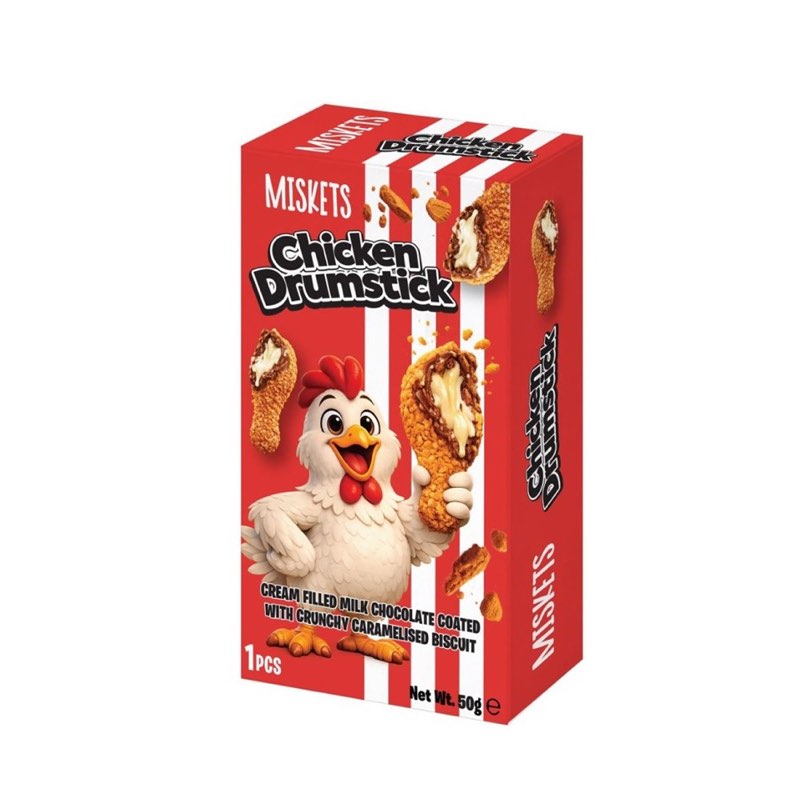
Miskets Chicken Drumstick Box 50g
£1.99
✔ In stock — ready to ship
Fresh stock
Free over £20
Same-day dispatch
Secure checkout
Begin with the number, because it is the reason most people put this in a basket. £1.99 for 50 g works out at £3.98 per 100 g, and that figure is more interesting than it looks once you put it next to the other small boxes we stock.
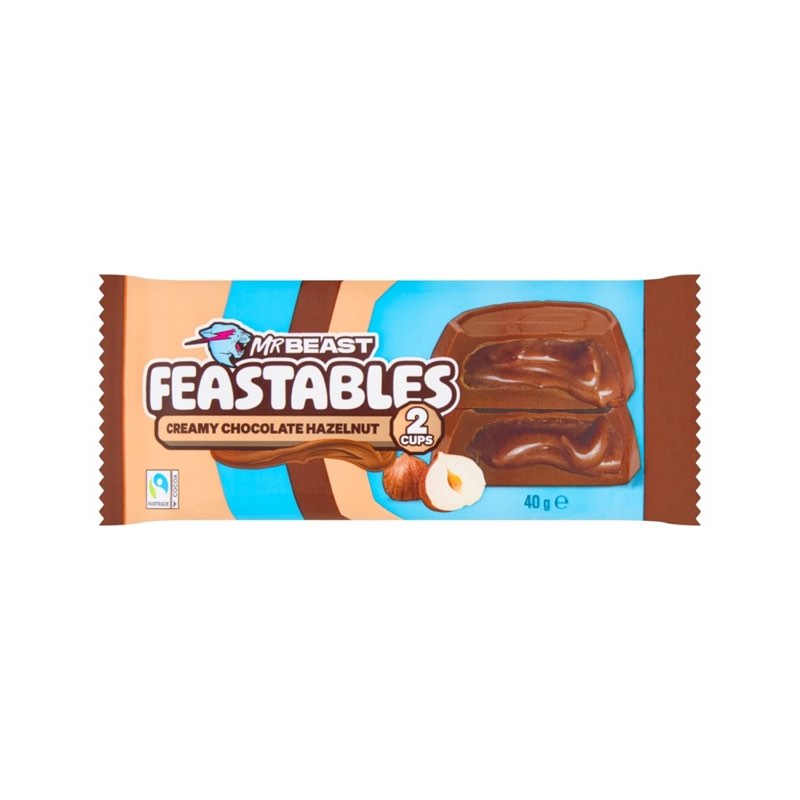
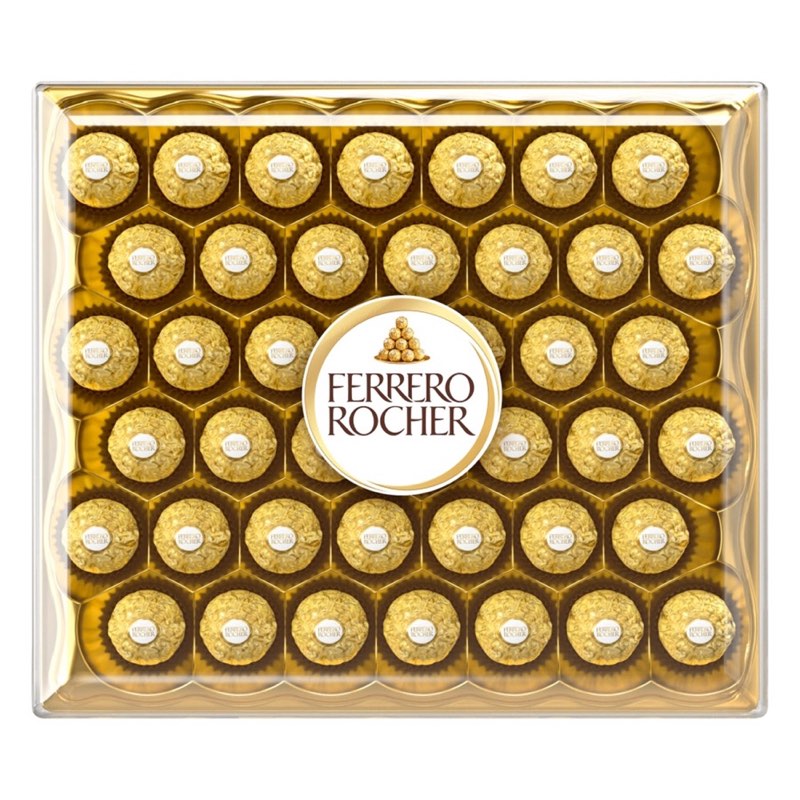
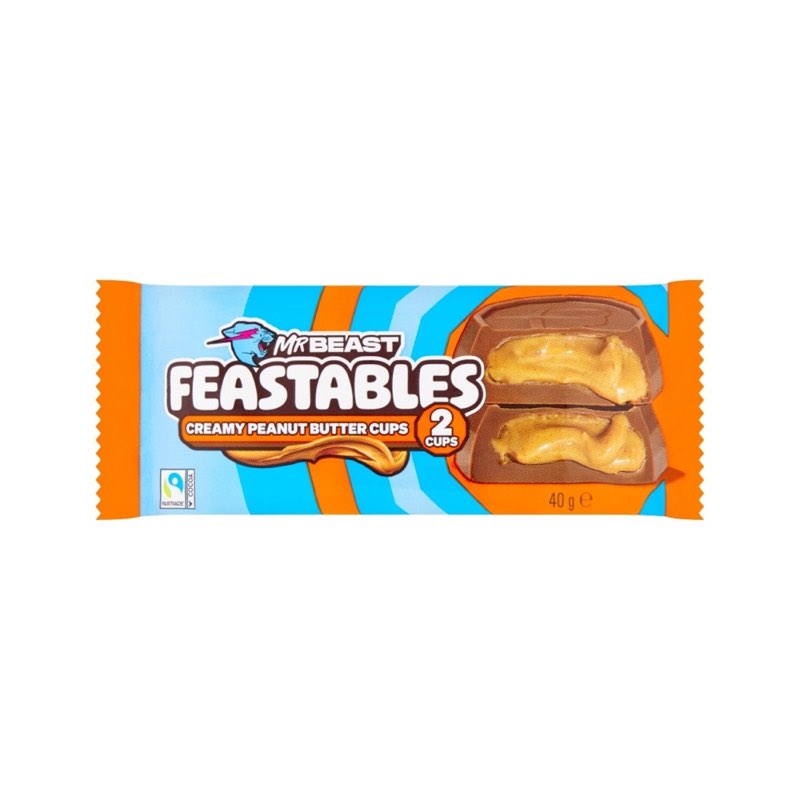
The Meiji Chocorooms box at £1.69 for 40 g is the cheapest ticket price in this bracket, but at roughly £4.23 per 100 g it is costing you more per gram than this one. The Feastables two-cup pack, also £1.99 but for 40 g, comes in near £4.98 per 100 g — same money, a fifth less weight. Move up the shelf and the pattern holds: the 200 g box of Lindor Strawberries & Cream truffles at £8.29 is about £4.15 per 100 g, and even the 525 g, 42-piece Ferrero Rocher box at £23.99 only gets down to roughly £4.57.
The full guide to Miskets Chicken Drumstick Box 50g
5,040 words on how it eats, who it suits, how to serve it and what to put beside it.
What £1.99 actually buys at the small end of the shelf
So a Miskets Chicken Drumstick Box is, quietly, one of the better rates per gram among the small and mid-sized chocolate lines on this part of the site. That is not the same as saying it is the cheapest chocolate we sell — it is nowhere near. If pence per gram is the only thing you care about, a kilo of Chocolate Ice Cups at £5.49 is about 55p per 100 g and nothing in a small box will ever touch it. But nobody buys a novelty box for the rate. They buy it for the two pounds, and it is worth knowing that the two pounds is being spent well rather than badly.
The honest summary of the value: this is an impulse-priced item that does not punish you on weight. It is the kind of thing you add to an order to get it over a delivery threshold, drop into a party bag, or hand to somebody as a small joke, and at £1.99 none of those decisions require any thought.
The shape is the product
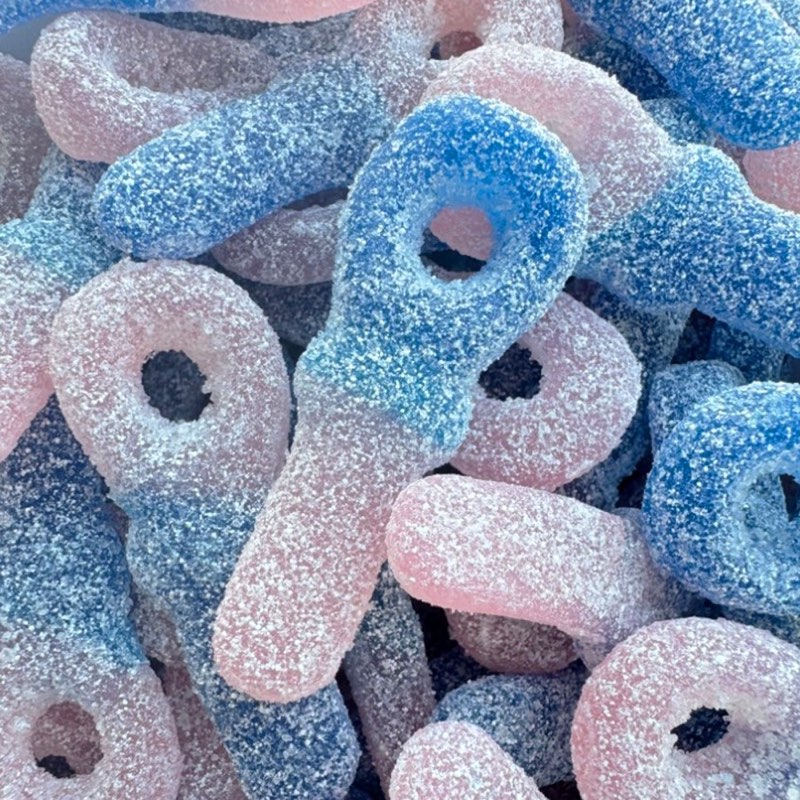
Let us be plain about the name, because it stops people in their tracks on a chocolate shelf. The drumstick here is a shape. This is confectionery, listed on our site under chocolate as both its type and its flavour, and the drumstick is a mould — the same idea as a chocolate sprout, a chocolate egg or a jelly bear. The sweet has been formed into a recognisable silhouette and that silhouette is doing the selling.
Shape-led sweets are their own small genre, and this one is a good example of why the genre works. A plain brown chocolate button is a thing you eat. A chocolate moulded into a drumstick is a thing you show somebody first and then eat. Handing one over gets a reaction, every time, and that reaction is most of what you paid for. The eating is the second act.
Fifty grams in a box is a neat, self-contained amount. It is not a sharing size and it does not pretend to be — it is one person's novelty, or a couple of pieces each for a small group, or a single slot in a lunchbox. The box format matters too, because a moulded shape needs protecting. Shapes in a soft bag arrive as fragments; shapes in a box arrive as shapes.
In the hand, and then in the mouth
Pick a piece out and the first thing you notice is that it is more solid than it looks. Moulded chocolate shapes have a weight to them that flat chocolate does not — the form is thick in the middle, and that thickness changes how it eats.
The first bite. You will not get a clean snap. A shaped piece gives in stages: the thinner edge goes first, then the body, and you end up taking the shape apart rather than breaking it in half. Children work this out instantly and eat it in the order that makes the shape last longest. Adults tend to put the whole thing in.
The flavour. Straight chocolate, arriving immediately and without any complication. There is no second stage here, no centre that gives way, no surprise waiting at the back — what you taste at second one is what you taste at second ten, fading gently rather than turning into something else. That simplicity is a feature in this context. A novelty shape with a complicated flavour is fighting itself; you cannot admire a moulded drumstick and interrogate a flavour at the same time.
The finish. Chocolate finishes short. Thirty seconds later your mouth is clear, which is why chocolate shapes work well on a table where people are grazing — nothing lingers to interfere with the next thing they pick up. Compare that with a strong mint or a sour coating, where the tail of the flavour carries forward into the next two things you eat.
Temperature. Worth a mention because it is the main variable in how good any moulded chocolate tastes. Cold from a fridge, a thick shape is hard work and mutes most of what you are paying for. At room temperature the same piece is soft enough to yield and releases the flavour properly. If the box has been somewhere cool, give it twenty minutes on the counter before you open it.
Which sweet counter this belongs to
Every sweet belongs to an era, not because of when it was made but because of the kind of shop it makes you think of. This one belongs firmly to the counter of small, shape-led novelties bought with your own money in small amounts — the tray by the till, the thing you pointed at rather than asked for by name.
That counter has a particular logic to it, and the logic has survived every change in how sweets are sold. It goes like this: a sweet that looks like something else is worth more than a sweet that looks like a sweet. Not more in price — usually the opposite — but more in the currency that matters when you are nine and have a pound. Novelty shapes were how a small amount of money bought a large amount of event. You did not get much, but what you got was worth showing to somebody.
Three generations of the same instinct. The form changes and the instinct does not. There have been eras of sweets that pretended to be things — cigarettes and watches and pipes and false teeth, in one period; fried eggs and shrimps and milk bottles, in another; and now a much broader run of moulded and printed shapes that imitate everything from sushi trays to breakfast food. Whichever counter you grew up in front of, the appeal is identical. It is the small pleasure of eating something in the wrong shape.
Why the shapes drift towards food. The most enduring novelty sweets are the ones shaped like other food. Fried eggs, milk bottles, bananas, mushrooms, drumsticks. There is something about a sweet impersonating a meal that lands better than a sweet impersonating an object, and it goes back much further than any of us — sugar has been moulded into imitation dishes for as long as confectioners have had moulds. This box sits in that long line. We stock a good deal of the same instinct in seasonal form: the chocolate sprouts at £6.99 are the Christmas-dinner version of exactly this joke, and they sell for the same reason, which is that everybody at the table has something to say about them.
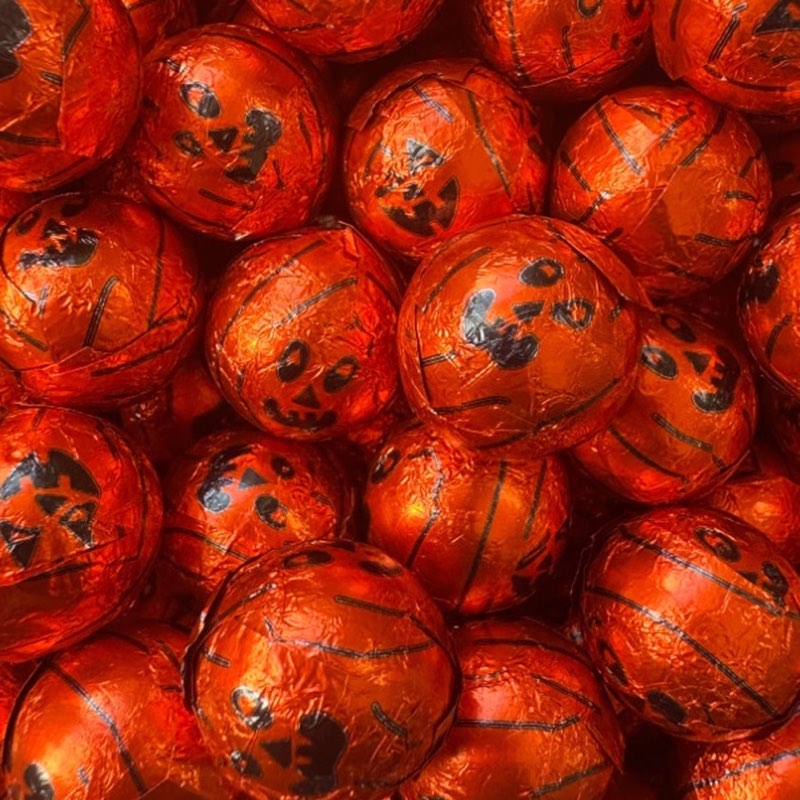
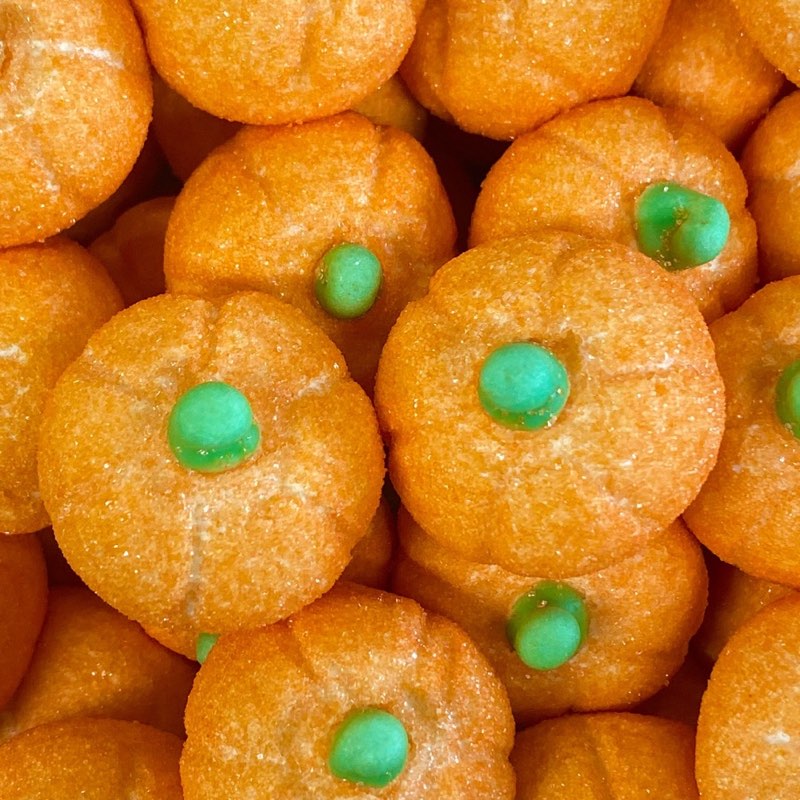
The animal shapes are the other branch. Where food shapes are a joke, creature shapes are a character. Hannah's Animals at £5.49 are the version of this that children sort into families before eating, which is a completely different play pattern from a drumstick, and worth knowing if you are buying for a specific child. Seasonal creature and object shapes work the same way — the solid chocolate pumpkins at £6.49 and the chocolate mini eggs at £7.99 are bought as much for what they say about the time of year as for what they taste like.
Memory is the real product. A large part of what we sell across the retro shelf is not flavour, it is recognition. Somebody sees a shape, remembers a shop, and buys a box for £2 to find out whether the memory holds up. Sometimes it does not, and that is fine — the £2 bought the experiment. Novelty sweets are the cheapest nostalgia available anywhere, which is the honest reason this genre has outlived a thousand better-tasting products.
One caution about nostalgia buying. If you are chasing a specific remembered sweet, buy small and buy several rather than buying one large bag of the thing you think it was. A £1.99 box is a perfect probe. A kilo of the wrong thing is a mistake you eat your way through for a month. This is the single most useful piece of advice we can give anyone browsing our loose sweets with a memory in mind.
Why a new sweet can still feel like an old one
Here is something odd about shape-led confectionery: a box you have never seen before can feel like something you remember. It happens because the grammar of novelty sweets barely changes. A moulded food shape, a small box, a low price, a joke you get in under a second — that combination has been the same for decades, so anything built to it inherits the feeling of everything built to it before.
That is why a great deal of what we sell on the retro shelf is not literally old. It is made now, to an old pattern, for people who want the pattern rather than the specific product. The recognition is real even when the memory is not, and there is nothing dishonest about that — it is how the whole genre has always worked.
It is also worth naming the part that makes shaped sweets feel younger than they are. A moulded piece invites you to eat it in an order. You start at one end and work along, or you bite the narrow part off first, or you save the best bit. Nobody instructs a child to do this; they simply do. Flat chocolate does not offer the choice, and a sweet that offers a choice is a sweet that gets played with. That is the difference between a box that is eaten and a box that is enjoyed, and it is the whole reason the format has survived every attempt to replace it with something more efficient.
The box as a format, and what it is doing for you
Most sweets on this site arrive in a bag. This one arrives in a box, and the difference is worth more than it seems.
It protects the shape. Said already, but it is the main event. Moulded pieces in a soft bag rub against each other in transit and lose their edges. A box holds them apart.
It stacks and it stores. If you are buying ten for party bags or prizes, ten boxes sit in a cupboard in a tidy column. Ten bags slump into a heap and get squashed under whatever goes on top of them.
It reads as a present without any wrapping. A box is already a gift shape. Hand somebody a bag of sweets and you have given them sweets; hand them a box and you have given them something to open. That is a free upgrade on a £1.99 item and it is the reason boxed novelties punch above their price in stockings, prize tables and secret-santa piles.
It defines the portion. A bag is open-ended — you eat until you decide to stop. A box is a finite, visible amount, which is genuinely useful if you are handing one to a child or putting one in a lunchbox and would rather not negotiate about seconds.
The trade-off. Boxes cost more to make than bags, and part of your £1.99 is going into cardboard rather than chocolate. That is the honest arithmetic of every boxed line we sell. If none of the four advantages above matter to you and you simply want chocolate by weight, buy a bag from the loose section and spend the difference on more of it.
Sweet, sour, and where a chocolate drumstick sits
Every sweet you can buy sits somewhere on a line between plain sweetness and active sourness, and knowing where a product sits on that line is the most useful single fact for building a bowl, a bag or a hamper. This one sits at the far sweet end, with no sour component at all, and that placement determines everything about what it should be sold alongside.
The spectrum, in five bands.
- Plain sweet. Chocolate, fudge, toffee, creams. No acidity, no edge. Eaten slowly and in small numbers because they are rich. This box is here.
- Sweet with a lift. Fruit-flavoured jellies and chews, where a little acidity brightens the fruit without ever reading as sour. Most of the jelly and gummy shelf lives in this band, and it is the single most universally liked band there is.
- Fizzy. A dusting or a crackle on the outside. Reads as fun rather than as a challenge. Children go straight here.
- Sour. A coating that makes you pull a face for a second before the sweet underneath takes over. A deliberate event in the middle of eating.
- Extreme sour. A small, specialist corner where the point is how much you can take. Bought by a specific kind of shopper and mostly ignored by everyone else.
Why the placement matters. Rich, plain-sweet items like this one have one weakness: they saturate. Three chocolate shapes in and the fourth tastes like the third. Anything from band two or three, eaten in between, resets your mouth and buys you another three. That is why every well-built sweet table in existence has both a chocolate corner and a fruit corner, and why a table with only one of them gets eaten less than you expect.
The practical build. If this box is going into a bigger spread, put it with the chocolate group and put a fruit-led group somewhere visibly separate. Do not mix them in one bowl. Chocolate shapes and soft fruit sweets in the same container is the arrangement most likely to end with both tasting faintly of each other, particularly if the bowl sits out for a day.
If you want to add an edge deliberately. The easiest route is to build the mix in our pick and mix section and choose one fizzy or sour line to sit at around 10 to 15 per cent of the total weight. That is enough to be noticed and not enough to dominate. Any higher and you have changed what the bowl is for.
If you want to stay entirely sweet. Perfectly legitimate, and the way most gift-shaped purchases go. In that case vary by texture instead of by acidity, because texture is the other axis that stops a bowl getting boring. A moulded shape, something with a chew such as Chewing Nuts at £7.99, and something that dissolves slowly will hold attention far longer than three different chocolates will.
Chocolate, unaccompanied
The flavour list on this box is short: chocolate, and that is all. Where a lot of products on the chocolate flavour listing use chocolate as a carrier for something else — a mint, a fruit cream, a biscuit — this uses it as the whole proposition.
Single-note chocolate has a reputation for being the boring choice and it does not deserve it. It is the most broadly acceptable flavour in the shop by a wide margin. Take a hundred people at random and you will struggle to find ten who actively dislike plain chocolate; try the same with mint, liquorice, aniseed or anything sour and you will find thirty without effort. That universality is precisely why it makes sense in a novelty shape. The shape is the risk; the flavour should not be.
It also means this box is a safe thing to buy for somebody whose tastes you do not know. If you are putting together a hamper or a parcel for a household rather than a person, a plain chocolate item is the piece that will definitely get eaten, and the more adventurous items can sit around it. The wider chocolate type shelf runs to thirty-eight lines and covers everything from pound-a-bag coins to full gift boxes, so it is a straightforward place to assemble a set that is varied in format and consistent in flavour.
Building a bowl around a novelty
A novelty item has a specific role in a spread and it is not the role people usually give it. It should be the first thing people see and the last thing they run out of, which means you put it somewhere prominent and you do not put much of it out.
Fifty grams is not a lot in a bowl. Emptied into a large dish it disappears; the shapes end up scattered and the effect is lost. Two better approaches:
- Keep them in a small dish of their own. A shape only reads as a shape when there are several of them together. A saucer of drumsticks next to a big bowl of everything else is a display. The same pieces stirred through the big bowl is just chocolate.
- Use them as the top layer. If you are filling a jar or a cone, put bulk at the bottom and the shapes at the top where they can be seen. This is standard practice for anyone who builds sweet cones and it makes a £5 cone look like a £10 one.
For the bulk underneath, the cheapest sensible base on this part of the site is the kilo of ice cups, and the general-purpose starting point for anything larger is the Candy & Chocolate selection, which mixes chocolate lines and sugar confectionery on one shelf for exactly this sort of assembly job.
Occasions this box was made for
Party bags. The single best use. One box per bag, at £1.99 a head, gives every child something with a shape rather than a handful of the same jelly they have had at four other parties. The cost per bag is predictable and the format is sealed, which means you can fill the bags a week early.
Lunchbox Fridays. A 50 g box is a defined portion that does not require any decision-making at seven in the morning. One box, once a week, is a habit rather than an indulgence.
Stocking fillers and advent-adjacent slots. Small, boxed, cheap and visually obvious through a stocking. Pair it with something in a different format — the small mushroom-shaped Chocorooms box is the same price bracket and a completely different silhouette, so two boxes together do not read as a repeat.
The joke gift. This is the one that sells. Somebody in every workplace and every family will find a drumstick-shaped chocolate genuinely funny, and £1.99 is exactly the right amount to spend on making one person laugh for ten seconds. Add it to a larger present as the thing they open first.
Prizes. Raffles, sports days, class rewards, pub quizzes. Anything you need twenty of at a fixed low cost, where the item needs to be recognisable across a room.
Sweet cones and tables. Covered above, but worth restating: the shapes go on top where they are visible, and the bulk goes underneath where it is not.
Not for: a big sharing bowl for adults, where 50 g vanishes and nobody notices the shape; or a summer picnic where a box of moulded chocolate will spend three hours in a warm bag. For both of those, choose by format rather than by novelty and start from the full range.
How far fifty grams goes
Planning figures, based on how these get eaten rather than on how they are sold:
- One person, treating themselves: a box is one sitting. Possibly two if you are disciplined, but expect one.
- Party bags: one box per bag. Do not split a box across bags — half a novelty is not a novelty.
- A family of four sharing after dinner: one box is a taste each. Buy two if it is meant to be the pudding.
- Prizes or handouts: one box per person, count your heads and add two.
- As the visible top layer of a 1 kg jar: one box covers the top nicely. Two is over-egging it and hides your bulk.
On cost per head, £1.99 is at the sensible end for something boxed and shaped. You can spend less — coins and small bags will get you under a pound a head — and you can spend considerably more, but for a shaped chocolate in its own box, two pounds is the going rate and this is a full 50 g rather than the 40 g that a lot of the bracket offers.
Looking after a small box of moulded chocolate
Heat is the enemy, and shapes show it worst. Flat chocolate that has been warm still looks like flat chocolate. A moulded shape that has softened and re-set can lose definition, and the definition is what you bought. Keep the box in a cupboard rather than on a sunny shelf, and do not leave it in a car.
Surface bloom is cosmetic. If chocolate warms and cools it can develop a pale, dusty-looking surface. It is a change in the chocolate rather than a sign of spoilage, and it does not mean the box has gone off. It does mean it will photograph badly and look tired if you are giving it as a gift, so keep anything earmarked for a present somewhere cool and stable.
The fridge is a last resort. Only worth it in a genuinely hot house, and even then bring the box up to room temperature before opening. A thick moulded piece straight from the fridge is hard, muted and disappointing.
Keep it boxed until you need it. The box is doing structural work. Tip the contents into a jar in advance and you will have chipped edges by the weekend.
Away from strong smells. Chocolate takes on the character of whatever it is stored beside. Do not keep an open box next to mint sweets, coffee or anything aromatic in a closed cupboard.
Dates. Always go by the date printed on the manufacturer's own packaging when it arrives, and eat the oldest thing in the sweet drawer first.
One size, and the only real decision
There is a single option: 50 g at £1.99. No large box, no multipack, no alternative weight. That reduces your decision to quantity, and quantity here is driven almost entirely by purpose.
One box is a try-it or a treat. Two is a household. Six or more means you are doing party bags or prizes, in which case count heads, add a couple of spares, and be aware that boxed novelties are the single most likely item to be short-ordered because people forget the adults.
If what you actually need is more chocolate rather than more drumsticks, buying ten boxes is the expensive way to get there. Ten boxes is 500 g for £19.90; the kilo tub is double the weight for a quarter of the money. Buy the boxes for the shape and the format, and buy weight separately.
Where it sits, and what to look at next
This box appears on three shelves. It is in Loose Sweets, our largest section at 356 lines, which is where most of the site's everyday buying happens. It is on the chocolate shelf by type alongside the other thirty-seven chocolate lines, and on the chocolate shelf by flavour, a thirty-two line view that catches things flavoured with chocolate as well as things made of it.
Among its immediate neighbours, the useful comparisons are these. For another small box at an impulse price, the 40 g Chocorooms and the 40 g Feastables cups are the two closest in money and the two most different in character. For seasonal shapes, the chocolate pumpkins in autumn, the sprouts in December and the mini eggs in spring cover most of the year between them. For a gift with real weight behind it, the large Ferrero Rocher box or the Lindor truffles are the two obvious step-ups, both several times the price and both a different kind of purchase. For texture rather than novelty, the £7.99 bag of Chewing Nuts is the long chew on this shelf and the £5.49 bag of Hannah's Animals is the shape-led bulk option.
If you are assembling rather than buying one thing, start at pick and mix, use the gummy shelf for your soft base, and come back here for the piece that goes on top. If you are browsing on memory, the retro listing and the combined candy and chocolate view are the two best places to wander. And if you simply want to see everything we hold in one place, the whole shop is one click away.
Questions shoppers ask about this box
Is this actually chicken-flavoured?
No — the drumstick is the shape. We list this under chocolate as both its type and its flavour, and what you are buying is a chocolate sweet moulded into a recognisable silhouette, in the same tradition as a chocolate sprout or a chocolate egg. The name describes what it looks like, not what it tastes of. If the shape is the appeal, this delivers exactly that; if you were hoping for a savoury flavour, this is not it.
How many pieces are in the box?
We sell by weight rather than by count and we do not publish a piece number, because it can vary. What is fixed is the 50 g. In practice that is a single-person portion or a taste each for a small family, and it is the right size for one party bag rather than several.
Is £1.99 for 50 g a fair price?
For a boxed novelty, yes. It comes out at about £3.98 per 100 g, which is a better rate than several small boxes near it on the shelf and a better rate than some considerably more expensive gift boxes. It is far more than bulk chocolate costs per gram, which is true of every small box everywhere. You are paying for the format and the shape, and the weight you get for the money is reasonable.
What is in it and are there any allergens?
We do not publish ingredients or allergen information for this line because we do not hold verified data for it, and guessing about food is not something we are willing to do. The manufacturer's own packaging carries the full declaration and it arrives with the product. Anyone with an allergy or intolerance should read that packaging before eating anything from the box.
Is it suitable for young children?
It is a sweet, so treat it as a treat. Small moulded pieces are a choking risk for young children and should be eaten under supervision — that goes for any small hard sweet rather than this one in particular. The shape tends to go down very well with primary-school ages, which is why the box is such a reliable party-bag filler.
Will it survive being posted?
The box gives the shapes a lot of protection, which is more than you get from a bag. The variable is temperature rather than handling: any chocolate can soften in a hot spell, and a moulded shape that softens and re-sets may lose some definition. In ordinary UK conditions a box travels fine. In a heatwave, post anything chocolate with your fingers crossed or wait for cooler weather.
Can I use it in a pick and mix?
Yes, though we would treat it as a display item rather than a component. Keep the shapes together — on top of a jar or in a small dish of their own — because a shape only works when you can see several at once. Stirred through a kilo of loose sweets it just becomes more chocolate, and you have paid novelty prices for it.
Is it sour at all?
Not in the slightest. This is at the plain-sweet end of the spectrum with no acidity in play. If you want an edge on the table, add a separate fizzy or sour line at around 10 to 15 per cent of the total weight rather than looking for it here, and keep it in its own bowl so people can choose.
Would it work as a gift on its own?
As a small joke, yes — it is well judged for the two-pound bracket where the point is the reaction rather than the generosity. As a standalone gift for an occasion that matters, no; it is too small and too light. Use it as the funny thing on top of a larger present, or as one component in a hamper alongside items with more substance.
Does it taste better at room temperature?
Noticeably. A thick moulded chocolate piece straight from a cold cupboard or a fridge is hard and mutes the flavour. Twenty minutes on the counter makes a real difference to how much of what you paid for you actually taste. It is the cheapest improvement available to any chocolate you own.
Do you have anything similar but bigger?
Not in this exact shape — there is one size here and that is the range. For the same idea in a larger format, the seasonal shaped lines are the closest match: the pumpkins and the festive sprout shapes are both bags rather than boxes and both under £7. For plain chocolate in quantity, the kilo formats on the chocolate shelf are where to look.
Is it in stock?
It is showing as available as this page is written. Stock on small novelty lines moves in a lumpy way — nothing for a month, then forty boxes the week before a school fair — so if you need a specific quantity for a fixed date, order it a little earlier than feels necessary rather than a little later.
Last word
A £1.99 box of chocolate moulded into a shape that makes people look twice. It is not bulk, it is not a gift with weight behind it, and it is not trying to be either. It is the small, cheap, reliable novelty that fills a party bag, tops a sweet jar, goes in a stocking or gets handed over for the reaction — and at roughly £3.98 per 100 g, it gives you more actual chocolate for the money than most things sitting next to it on the shelf. Keep it cool, keep it boxed until you need it, and let it be the first thing anybody sees rather than the thing hidden at the bottom.
More chocolate sweets
More chocolate sweets
More loose sweets sweets
Where this sits
Miskets Chicken Drumstick Box 50g appears on these shelves. Browse them, or jump to something nearby.
You might also like